Best Season to Trek Manaslu & Our Recommendation
Choosing the right season determines your trekking success on the Manaslu Circuit. Manaslu circuit trek is one of the amazing treks of Nepal. Clear mountain views, safe pass crossings, and open teahouses rely entirely on timing your visit during Nepal’s two peak windows: Spring (Mid-February–May) and Autumn (September–November).
While the Manaslu Circuit remains open year-round, the Restricted Area Permit (RAP) regulations and extreme altitude at the Larke La Pass (5,106m) make specific months significantly safer and more rewarding than others.
The Two Peak Windows: Spring vs. Autumn
Trekking in the Manaslu region requires balancing weather stability against crowd levels. The two primary seasons offer distinct experiences for trekkers.
- Spring (Mid-February–May): Botanists and nature lovers choose this season for its vibrant flora. Rhododendrons bloom across the lower hills, and temperatures rise gradually. However, haze often obscures distant peaks in the afternoons.
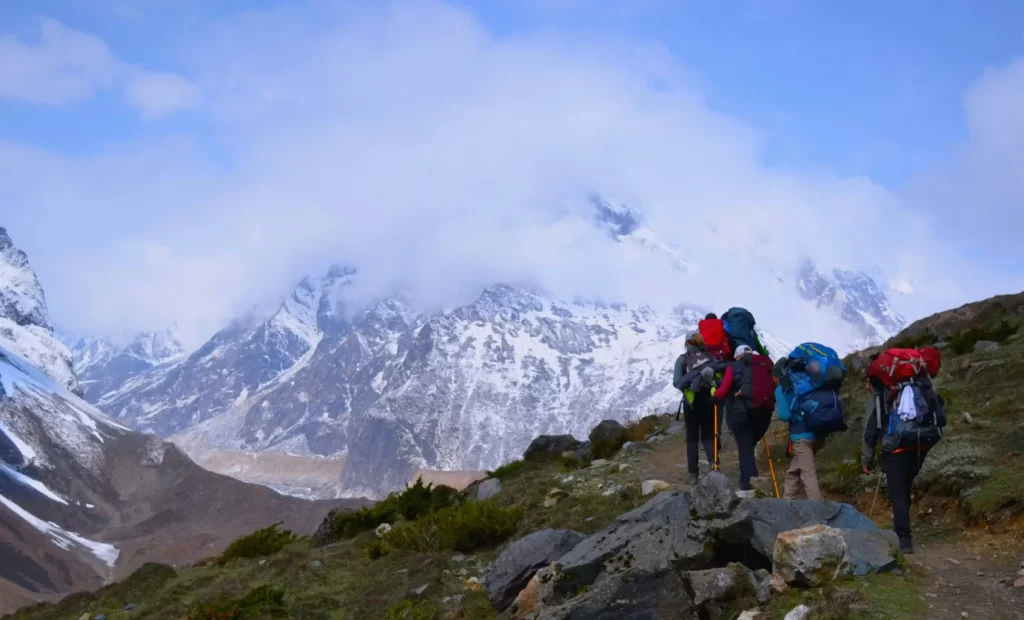
- Autumn (October–November): Photographers and high-altitude enthusiasts prefer autumn for its crystal-clear visibility. The post-monsoon air washes away dust, providing sharp views of Mt. Manaslu (8,163m) and the surrounding Ganesh Himal range.
Comparative Overview
| Feature | Spring (Mar–May) | Autumn (Oct–Nov) |
| Primary Highlight | Blooming rhododendrons & wildlife | Crystal clear mountain views |
| Precipitation | Low (increasing towards May) | Very Low (decreasing post-Sept) |
| Temperature | Warmer days, mild nights | Moderate days, freezing nights |
| Crowd Level | Moderate | High (Peak Season) |
| Larke La Pass | Risk of lingering winter snow | Generally clear and stable |
| Festivals | Lhosar (Tibetan New Year) | Dashain & Tihar (Hindu) |
Spring Season: The Season of Color (March – May)
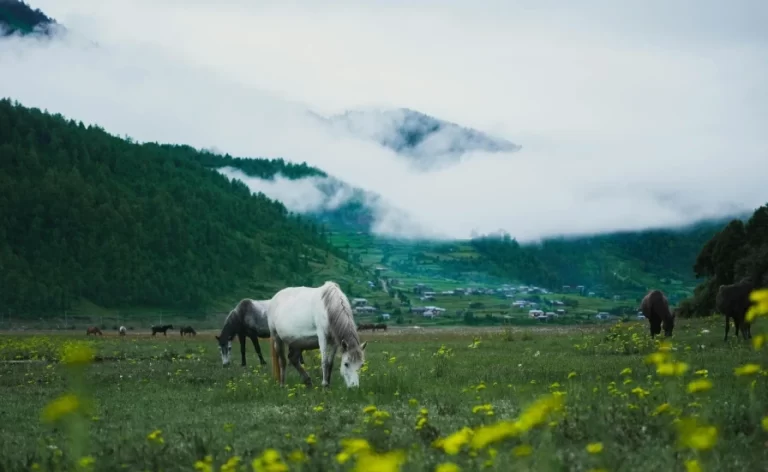
Spring breathes life into the Budhi Gandaki valley. As winter recedes, the frozen waterfalls melt, and the forests turn a vibrant red and pink with rhododendron blooms.
March: The Awakening
March marks the beginning of the trekking season. Winter snow may still cover the trails near Samdo and Larke Phedi, requiring micro-spikes for safe passage.
- Temperature: Lower regions average 10°C to 15°C; higher altitudes remain below freezing at night.
- Trail Conditions: Lower trails are dry, but the pass crossing demands caution due to ice.
- Why Trek Now: You avoid the April crowds and enjoy the silence of the pre-season mountains.
April: The Peak of Spring
April delivers the finest spring conditions. The rhododendrons reach full bloom, covering the hillsides in color. Temperatures stabilize, making the daily ascent to villages like Namrung and Lho comfortable.
- Temperature: Daytime highs reach 18°C in lower valleys; nights at Samagaun hover around 0°C to -5°C.
- Visibility: Mornings offer clear views of Manaslu, though clouds often roll in by 2:00 PM.
- Entity Focus: This month coincides with local agricultural activities, allowing you to observe traditional farming practices in Nubri Valley.
May: The Pre-Monsoon Warmth
May brings heat to the lower lowlands and increasing humidity. Trekking in early May remains safe, but late May introduces pre-monsoon showers.
- Temperature: The warmest month, with daytime highs exceeding 25°C in Arughat and Soti Khola.
- The Risk: Haze reduces visibility significantly. Mountain views may be limited to early mornings.
- The Reward: The Larke La Pass becomes practically snow-free, making the crossing less technical.
Expert Note: Spring is the ideal season for combining the Manaslu Circuit with the Tsum Valley Trek & Nar Phu Valley Trek, as the biodiversity in the hidden valley is most active during these months.
Autumn Season: The Season of Clarity (September – November)
Autumn guarantees the sharpest views of the Himalayas. The monsoon rain washes the atmosphere clean, leaving behind deep blue skies and stark white peaks.
September: The Green Transition
Early September may still see the tail end of the monsoon. Rain showers can occur, and leeches may persist in the lower forests near Jagat and Philim.
- Weather: Unpredictable in the first two weeks; stable by late September.
- Scenery: The valleys are lush green, and waterfalls operate at maximum volume.
- Why Trek Now: You enjoy solitude before the October rush begins.
October: The Golden Month
October stands as the absolute best month to trek Manaslu. Weather stability peaks, precipitation drops to near zero, and visibility is perfect.
- Crowds: Expect busy trails and full teahouses. Booking accommodation in advance is essential at stops like Dharamsala (Larke Phedi), where capacity is limited.
- Festivals: October often coincides with Dashain and Tihar, Nepal’s biggest festivals. The atmosphere in villages is festive, often featuring bamboo swings and local celebrations.
- Conditions: The Larke La Pass is generally dry and safe, offering the year’s best conditions for crossing.
November: The Crisp Finale
November offers crystal clarity but brings biting cold. By mid-November, the afternoon winds pick up, and temperatures at Samdo can drop drastically.
- Temperature: Daytime is pleasant (10°C–12°C), but nights at high camps drop to -15°C.
- Why Trek Now: The October crowds disperse. Photographers prioritize November for the “Golden Hour” light on Mt. Manaslu without atmospheric interference.
- Warning: Late November carries the risk of early winter snowstorms closing the pass.
The Off-Seasons: Winter and Monsoon
Trekking outside the peak windows involves significant risks and challenges. Only experienced trekkers with flexible schedules should consider these months.
Winter (December – February)
Winter turns the Manaslu region into a frozen wilderness.
- The Challenge: Heavy snow often blocks the Larke La Pass, forcing trekkers to turn back from Samdo.
- Closures: Many tea houses in the upper region (Samagaun, Samdo) close for the winter as owners migrate to Kathmandu or Pokhara.
- The Reward: Absolute solitude and clear skies. If the pass is open, the views are unmatched, but the cold is severe (-20°C at night).
Monsoon (June – August)
The summer monsoon brings heavy rain, heat, and humidity.
- The Challenge: The Budhi Gandaki river swells, occasionally washing away bridges. Landslides pose a real threat on the narrow trails between Tatopani and Jagat.
- Pests: Leeches infest the lower forests, making the walk uncomfortable.
- Visibility: Mountains remain shrouded in clouds for days at a time.
- Recommendation: Avoid this season unless you are specifically interested in a rain-shadow trek (like Upper Mustang) rather than Manaslu.
Temperature & Weather Data by Elevation
Understanding the temperature gradient helps you pack the right gear. The following data represents average temperatures during peak seasons.
| Location | Elevation | Spring (Day/Night) | Autumn (Day/Night) |
| Soti Khola | 700m | 25°C / 15°C | 22°C / 12°C |
| Namrung | 2,630m | 15°C / 5°C | 12°C / 2°C |
| Samagaun | 3,530m | 10°C / -2°C | 8°C / -5°C |
| Dharamsala | 4,460m | 5°C / -8°C | 4°C / -10°C |
| Larke La Pass | 5,106m | -5°C / -15°C | -8°C / -20°C |
Note: Temperatures at the pass can feel significantly colder due to wind chill factor.
Cultural Considerations: Festivals in Manaslu
Timing your trek around local festivals deepens your cultural immersion. The Manaslu region is home to the Nubri and Tsum communities, who practice Tibetan Buddhism.
- Lhosar (Tibetan New Year): Celebrated in February or March, this festival involves masked dances and monastery rituals. While it falls in late winter/early spring, it offers a profound cultural experience if you brave the cold.
- Saka Dawa: Usually falling in May, this festival commemorates the birth, enlightenment, and death of Lord Buddha. Monasteries in Samagaun and Lho conduct special prayer ceremonies.
- Dumji: While more famous in the Everest region, local variations of harvest and community festivals occur in the Nubri valley during November, marking the end of the agricultural cycle before winter.
Final Recommendations by Trekker Type
- For Photographers: Choose late October to mid-November. The air is driest, ensuring sharp mountain silhouettes and unparalleled star photography at night.
- For Nature Lovers: Choose April. The forests are alive with color, and you have the highest chance of spotting wildlife like the Himalayan Tahr or Musk Deer.
- For Cultural Enthusiasts: Choose October to witness Dashain and Tihar, or May for Buddhist ceremonies in the upper valley.
- For Solitude Seekers: Choose early March or early December. You will face colder temperatures but will have the trail largely to yourself.