
Trekking Regions and Types of Trails in Nepal
By Sandip Kshetri, Nepal Travel Expert
This article lists Nepal’s different trekking regions and helps you find the right trek by listing different types of trekking options available in Nepal, such as easy, short, beautiful, remote, less-crowded, luxury, and camping treks.
Trekking involves multi-day walking expeditions in rural terrain, green foothills, and mountain trails. In Nepal, these expeditions mainly traverse around the world’s highest mountains. Colonel Jimmy Roberts established the first commercial trekking in Nepal in the 1960s. Today, trekkers walk from 1,000 meters to over 5,500 meters assisted by licensed guides, porters, and teahouses.
Trekking Regions of Nepal
Nepal organizes trekking trails into distinct geographical regions from east to west. Major zones derive their names from dominant peaks: Everest, Annapurna, Manaslu, Langtang, Kanchenjunga, Api, and Makalu. Local place names identify the remaining regions: Dolpo, Rolwaling, Rara, Limi Valley, Helambu, and Kathmandu.
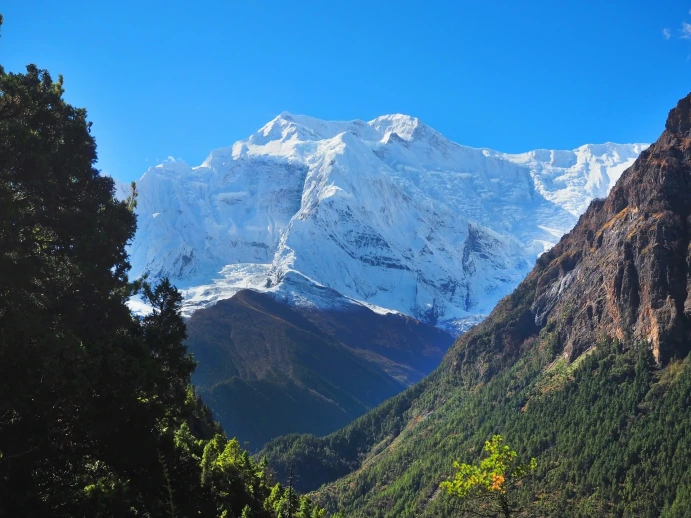
Annapurna Region
Most Popular
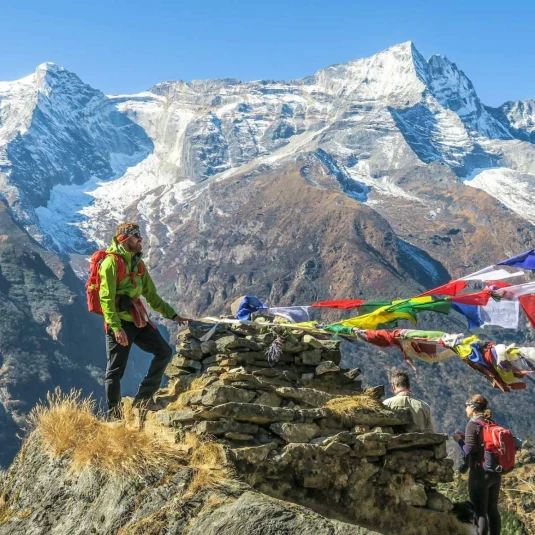
Everest Region
Highest Mountains
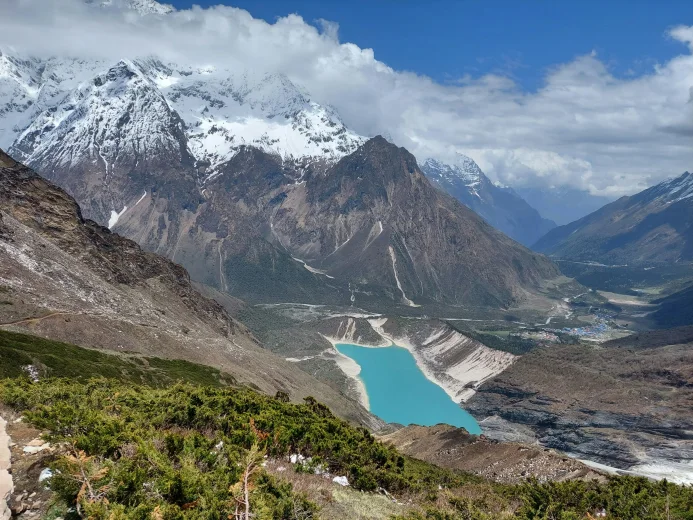
Manaslu Region
Pristine
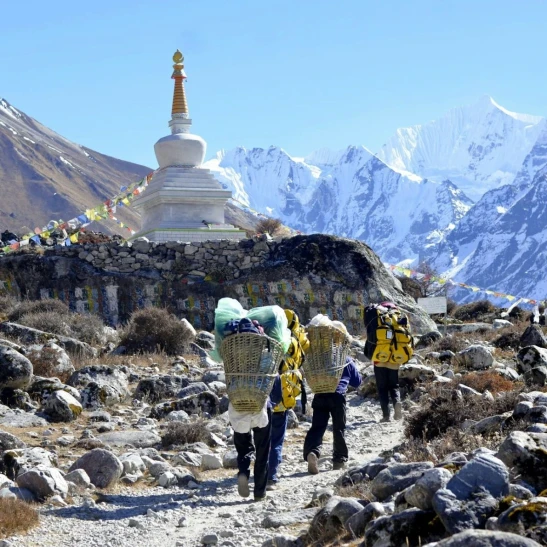
Langtang Valley
Beautiful and Short
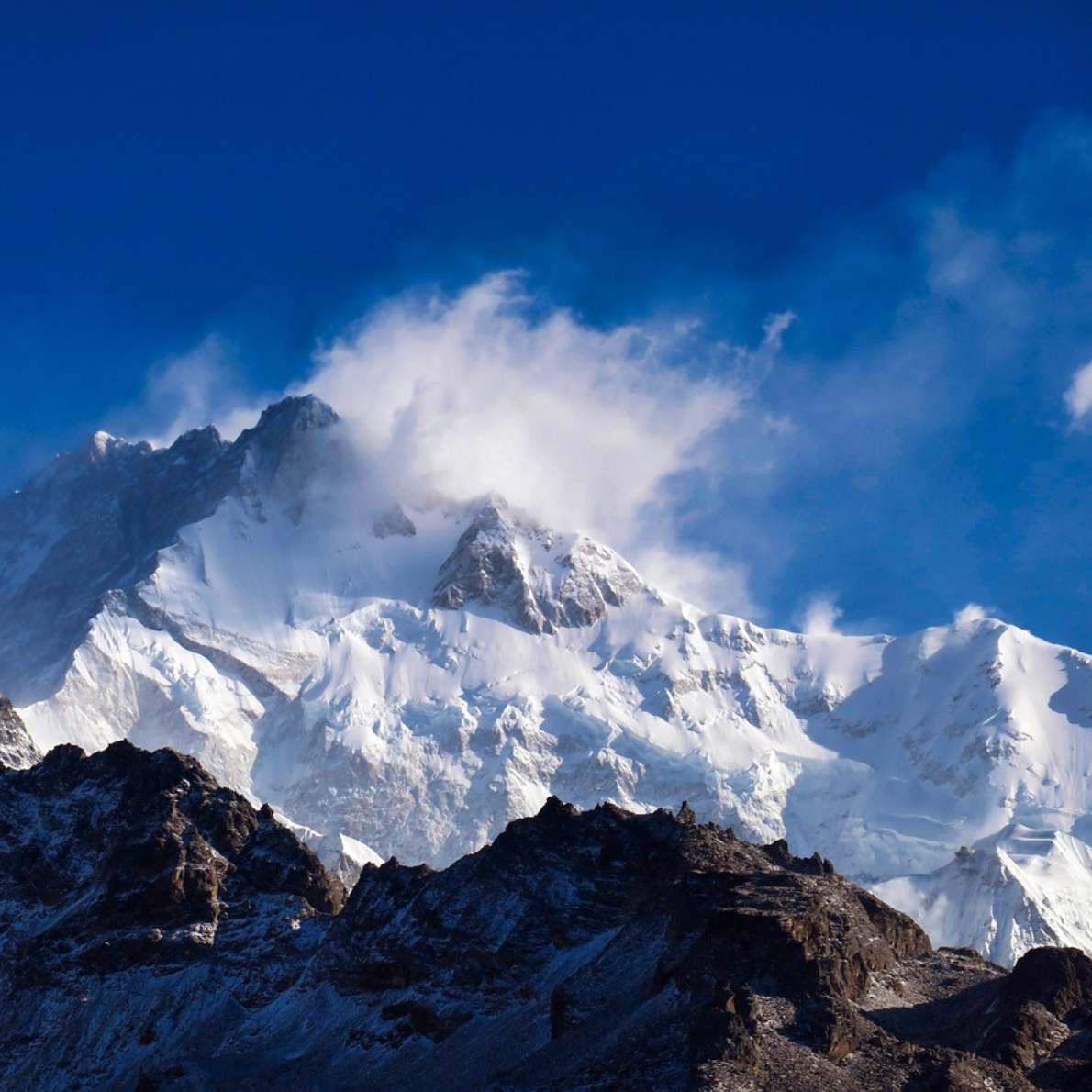
Kanchenjunga Region
Remote and Untouched
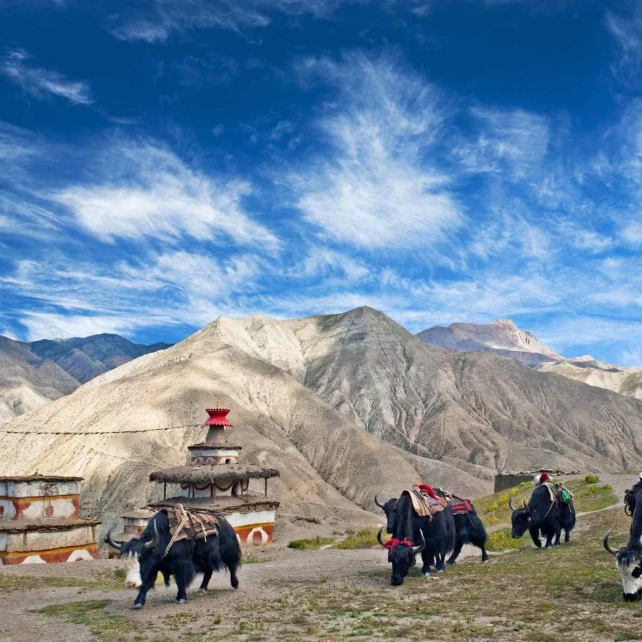
Dolpo Region
Remote and Rugged
Table of Contents
What Are the Types of Treks in Nepal?
Trekking in Nepal can be categorized on the basis of difficulty, popularity, facilities available and levels of commercialization. These distinctions assist trekkers in selecting routes that match their experience and schedules. Beginners typically prioritize accessible, easy, well-supported trails near urban centers. Travelers with limited time select short-duration itineraries. Experienced trekkers seeking isolation often choose remote expeditions in the high mountains. The primary trekking types include:
- Most Popular Classic Treks of Nepal
- Beginner and Easy Trek Options in Nepal
- Short Trek Options in Nepal
- Most Beautiful Treks of Nepal
- Remote Treks and Less Crowded of Nepal
- Luxury Treks in Nepal
- Camping Fully Supported Treks
Most Popular Classic Treks of Nepal
Classic treks represent the most established routes in the Himalayas, characterized by well-developed teahouse infrastructure and high foot traffic. Trekkers prioritize these routes for their direct proximity to 8,000-meter peaks like Mt. Everest and Annapurna I. Established lodges provide standardized amenities, including private accommodation and diverse meal options. Local authorities maintain the trails with stone paving, steel suspension bridges, and safety railings. Consistent foot traffic creates a social environment for international visitors.
- Everest Base Camp Trek: Sherpa communities in Namche Bazaar, Tengboche, and Dingboche adapted their traditional stone homes into multi-story guest houses to accommodate trekkers influx after 1990s. Today, the route defines the classic trekking model by combining a high-altitude trekking with the most extensive lodge infrastructure, high-speed internet connectivity, and bakery networks in the Himalayas.
- Annapurna Circuit Trek: Annapurna circuit trail encircles the Annapurna Massif and crosses the Thorong La Pass at 5,416 meters, offering a geological transition from subtropical forests to the arid Trans-Himalayan plateau. Local entrepreneurs built a continuous chain of teahouses along the Marsyangdi and Kali Gandaki river valleys to serve early trekkers. This established infrastructure allows visitors to navigate the entire 160-kilometer circuit using standardized amenities, securing its status as a foundational classic trek.
- Langtang Valley Trek: Langtang Valley location, just 19 miles north of Kathmandu, established the route as the most accessible high-altitude itinerary for travelers with limited time. Tamang communities in Langtang Village and Kyanjin Gompa supported the early tourism by establishing cheese factories and sturdy stone lodges. This combination of early conservation recognition, direct accessibility from the capital, and reliable community-managed facilities solidifies Langtang as a safe classic trek.
- Ghorepani Poon Hill Trek: Villages like Tikhedhunga, Ghorepani, and Ghandruk expanded their residential infrastructure into dense clusters of commercial lodges to handle early high visitor volume. Local committees maintain thousands of stone steps and install iron safety railings through the rhododendron forests. This high level of trail development and the dense availability of comfortable accommodation make it the entry-level classic trek.
We recommend classic treks for travelers focused on completing “bucket-list” objectives, such as standing at the base of the world’s highest peaks. These routes remain suitable for fit beginners when paired with our structured acclimatization itineraries, although the Annapurna Circuit Trek and Everest Base Camp Trek involve high altitudes. We also recommend classic treks for visitors who require reliable facilities, including consistent access to hot showers, Western-style toilets, and diverse food menus that accommodate specific dietary restrictions. Finally, the established infrastructure makes these routes one of the safest choices, as the presence of other groups ensures safety and assistance are always available.
Beginner and Easy Trek Options in Nepal
Altitudes below 4,000 meters and well-maintained paths define Nepal’s beginner and easy trekking options. This elevation ceiling significantly reduces the risk of Acute Mountain Sickness (AMS) by maintaining manageable oxygen levels for first-time trekkers. Daily itineraries average 6 hours of walking on maintained stone trails. Villages along these routes provide comfortable lodge accommodation, often featuring private rooms and attached bathrooms. Travelers require only moderate cardiovascular fitness and standard hiking equipment, such as trekking poles and sturdy boots.
- Ghorepani Poon Hill Trek: Maintained stone staircases and a maximum elevation of 3,210 meters classify this route as a primary option for beginner trekkers. The trail network connects large Gurung villages like Ghandruk and Ulleri, ensuring trekkers reach comfortable teahouses with attached bathrooms and Wi-Fi every few hours. The ascent to Poon Hill requires moderate physical effort but involves no technical climbing or exposure to altitude sickness risks, matching perfectly with the safety requirements for families and seniors.
- Ama Yangri Trek: Proximity to Kathmandu and a non-technical trail profile define the Ama Yangri Trek as an easy itinerary. The path rises to 3,771 meters, remaining within the safe zone for unacclimatized walkers while offering close-range views of the Langtang range. Trekkers navigate well-marked trails through Hyolmo villages.
- Helambu Circuit Trek: Low elevations ranging between 800 and 3,650 meters make the Helambu Circuit physically manageable and lessens the high-altitude risks for varied age groups. The trail remains in the temperate zone, avoiding the freezing temperatures and snow hazards typical of higher Himalayan passes. This warmer climate reduces the weight of required gear, lightening the load for porters and hikers.
- Tamang Heritage Trek: Cultural immersion and lower altitudes characterize the Tamang Heritage Trail as a “soft adventure” option. The route stays largely below 3,200 meters, effectively removing altitude sickness as a primary concern. The itinerary prioritizes village-to-village walking through Gatlang and Tatopani, where developed homestays replace rugged high-altitude lodges. It is suitable for seniors and families seeking a cultural trekking experience and avoiding high physical exertion.
We recommend these treks for families with children, seniors, and first-time hikers because of the shorter daily durations, less physical exhaustion, and lower altitude-related health risks.
Short Trek Options in Nepal
Short trekking options means 3 to 8 days of trek durations. These itineraries utilize domestic flights or private jeep transfers from the Kathmandu and Pokhara hubs to bypass lower foothills. This logistical efficiency allows trekkers to reach high-altitude viewpoints, such as the Mardi Himal Viewpoint or Kyanjin Ri within a few days. The routes concentrate on immediate elevation gain, offering direct access to alpine zones without the multi-week approach required by classic expeditions.
- Mardi Himal Trek: Marid himal trek takes 8 days to complete. Trekkers walk along the exposed ridge of the precipice, gaining unobstructed mountain view of Annapurna South and Machhapuchre. Time-bound trekkers can experience 4,000-meter alpine environments and return to Pokhara’s lakeside urban center in around a week.
- Gosaikunda Trek: Gosaikunda trek takes around 7 days to complete and is another option for trekkers with limited time. The trail climbs from 1,960 meters to 4,380 meters. This trek demands robust cardiovascular health from trekkers to manage the quick elevation gain from 1,960 meters to 4,380 meters in just a few days.
- Langtang Trek: This short distance to Kyanjin Gompa from Syabrubesi allow trekkers to complete langtang trek within 8 days. A seven-hour jeep drive from Kathmandu deposits trekkers directly at the trailhead in Syabrubesi. Hikers navigate through the Langtang National Park forests to reach Kyanjin Ri at 4,773 meters, viewing the massive Lirung glacier system face-to-face.
- Helambu Circuit Trek: Helambu circuit trek trail takes 5 days to complete. Hyolmo cultural heritage and low-altitude convenience define the Helambu Trek as the most accessible itinerary from Kathmandu. The route begins at Sundarijal, a mere hour from the city center, and the maximum altitude is 3,650 meters, largely reducing the chances of altitude sickness.
- Ama Yangri Trek: The 3,771-meter peak of Ama Yangri functions as the singular objective of this 3-day trek. This trek is ideal for limited-time adventures. Positioned as the highest point in the Helambu region, the summit offers a 360-degree panorama of the Langtang range. This trek is ideal for limited-time adventures.
- Ghorepani Poon Hill Trek: Ghorepani Poon Hill trek takes 7 days to complete. The combination of mountain scene, safe trail conditions, and rapid access from Pokhara makes it the standard choice for beginners and professionals needing a short trek.
Travelers with strict vacation limits or specific budget constraints prioritize these short itineraries. Corporate professionals often select these routes to complete a Himalayan expedition within a standard one-week holiday window. However, trekkers must recognize that the rapid elevation gain on short routes, such as the Gosaikunda and Mardi Himal Treks, demands strong cardiovascular fitness, as daily hiking frequently exceeds six hours to reach overnight stops on schedule.
Most Beautiful Treks of Nepal
Beautiful treks consist of turquoise glacial lakes, sprawling alpine meadows, blooming rhododendron forests, deep blue rivers, and/or 360-degree mountain views. The options below were selected based on these criteria and our customer reviews. Every trekking region is unique in the sights it offers. Some trekkers consider the Langtang Valley to be the most beautiful, while others praise the unforgettable turquoise waters of Gokyo Lake.
- Langtang Valley Trek: The massive Lirung glacier system and dense bamboo forests define the visual landscape of the Langtang Valley. Red pandas inhabit the rhododendron thickets, while the Kyanjin Gompa monastery sits beneath the vertical ice walls of Mount Langtang Lirung. This contrast between the subtropical forest floor and the high-altitude ice fields creates a distinct, stunning scenery.
- Everest Base Camp Trek: The chaotic ice formations of the Khumbu Icefall and the sharp ridge of Ama Dablam characterize the visual beauty of this trek. Hikers view the black rock pyramid of Mt. Everest and the sheer face of Lhotse from the Kala Patthar vantage point at 5,545 meters. The route presents a stark landscape of rock, ice, and snow that defines the high Himalayas.
- Everest Three Passes Trek: Turquoise water from the Gokyo Lakes creates a vibrant color contrast and picturesque sight. The Renjo La, Cho La, and Kongma La passes provide 360-degree views of four 8,000-meter giants: Everest, Lhotse, Makalu, and Cho Oyu. This circuit allows trekkers to see the Himalayan range from above the ridgelines rather than from the valley floor.
- Annapurna Circuit Trek: The geological transition from lush, green rice terraces to the arid, brown Mustang plateau defines the aesthetic of this circuit. Hikers cross the Thorong La Pass at 5,416 meters to view the Dhaulagiri and Manaslu ranges against a vast, high-desert backdrop. This shift in terrain offers two completely different visual sights within a single journey.
- North Annapurna Base Camp Trek: The turquoise Panchakunda lake and vertical 4,000-meter rise of Annapurna I’s north face creates a breathtakingly dramatic visual. This route focuses on the raw, intimidating scale of the mountain rather than the open valleys found on other treks.
- Manaslu Circuit Trek: The steep, waterfall-filled Budi Gandaki gorge, towering Manaslu range, and the snow-covered Larkya La Pass at 5,160 meters frame the beauty of Manaslu Circuit. The trail ascends from green sub-tropical jungles into white, high-altitude Tibetan settlements. This route showcases the Manaslu twin peaks without the visual interruption of teahouse clusters or road construction.
- Manang Trek (Ice Lake & Gangapurna Lake): Turquoise glacial water from Gangapurna Lake and Ice Lake contrasts with the grey limestone cliffs of the Manang valley. These high-altitude water bodies reflect the hanging glaciers of Annapurna III and Gangapurna. The visual appeal relies on the sharp definition between the blue lakes, the white snow, and the arid brown hills.
Photographers and nature enthusiasts prioritize these routes for their distinct visual biodiversity. Also, travelers select these exquisite regions to experience silence and natural environments, distinct from the noise of urban centers. The trails provide direct access to blooming rhododendron canopies, high-altitude glacial lakes, and close-range views of the Himalayan peaks.
Remote and Less-Crowded Treks of Nepal
Nepal’s remote treks include geographic isolation, restricted access, less crowded trails, and minimal infrastructure. Trails in Upper Dolpo, Kanchenjunga, Makalu, and the Nar Phu Valley operate without the dense commercial teahouse networks. The absence of motorized roads and standardized lodges requires travelers to rely on basic homestays or organized camping crews. The remoteness of the region limits visitor numbers, preserving traditional Tibetan-influenced villages, culture and alpine ecosystems from mass tourism development.
- Nar Phu Valley Trek: The Pisang massif physically isolates the Nar Phu Valley from the commercial Annapurna Circuit. The government designates this area as a restricted zone, requiring special permits to enter the valley. Villagers operate a limited number of basic teahouses, allowing remote trekkers to explore the traditional architecture without carrying camping equipment.
- Upper Dolpo Trek: Rugged topography and strict restricted-area regulations define the Upper Dolpo adventure. The 24-day itinerary traverses the undeveloped Trans-Himalayan plateau, far from the commercial hubs of Kathmandu. The absence of lodges in high-altitude sections forces trekkers to utilize full camping logistics. This isolation preserves the Bon Po culture and the raw, arid landscape.
- Makalu Trek: The Barun Valley hosts the Makalu Trek, a route characterized by minimal infrastructure, remote settlements, and total absence of road access. Local communities manage basic teahouses, eliminating the need for camping despite the region’s isolation. Few trekkers venture into this eastern Himalayan sector, preserving its status as a quiet, less-explored trekking region.
- Kanchenjunga Circuit Trek: A difficult approach via flight or a three-day drive protects the Kanchenjunga Circuit from mass tourism. The 21-day itinerary circles the world’s third-highest peak, passing through remote Limbu and Sherpa settlements. Villagers provide teahouse accommodation along the entire route, supporting a teahouse trekking style in a region devoid of motorable roads. Only a small number of trekkers choose Kanchenjunga circuit trek because of its isolation.
- Tsum Valley Trek: Tsum valley is one of the quiet and less crowded trails of Nepal. he rugged trail branches off the Manaslu Circuit, leading trekkers into a roadless, isolated sanctuary supported by simple lodges. Local monks and inhabitants maintain the Tsum Valley as a strictly non-violent zone (Kyimolung), prohibiting animal slaughter. This cultural restriction preserves the ancient Tibetan Buddhist monasteries and traditional stone architecture.
- Dhaulagiri Trek: Technical high passes and glacier crossings make the Dhaulagiri Trek one of Nepal’s most difficult secluded treks. The complete absence of teahouse infrastructure necessitates fully supported camping crews. Although geographically close to Pokhara, the challenging terrain limits foot traffic to a handful of experienced trekkers each season.
- Tsho Rolpa Trek: The Gaurishankar Conservation Area houses the glacial Tsho Rolpa Lake. Despite its proximity to Kathmandu, the trail receives minimal visitor traffic compared to the Everest or Langtang regions. Sherpa communities maintain sufficient teahouse infrastructure, allowing trekkers to access this preserved glacial valley without camping logistics.
Experienced hikers select these routes to navigate trails devoid of large tour groups and commercial noise. Travelers focused on cultural preservation prioritize these regions to observe indigenous traditions and architectural styles that remain unaltered by modern globalization. Additionally, wilderness enthusiasts choose these expeditions to access uninhabited high-altitude zones where self-sufficient camping remains the only accommodation option.
Luxury Treks in Nepal
High-end lodges and reduced physical strain define the luxury trekking category in Nepal. Premium accommodation chains like Yeti Mountain Home and Everest Summit Lodge provide private rooms with en-suite bathrooms, electric blankets, and pressurized hot water. Itineraries limit daily walking to four hours, prioritizing acclimatization over rapid ascent. Culinary teams prepare sanitary, multi-course meals, replacing standard teahouse dal bhat with diverse international cuisine. This service structure ensures a controlled environment where professional staff manage all logistics, from luggage transfer to medical safety.
- Everest Luxury Trek: The Everest Luxury Trek utilizes a network of high-quality lodges like Yeti Mountain Home to provide comfort in the Khumbu. The itinerary focuses on scenic highlights like Namche and Tengboche with minimal physical strain. It offers the Everest experience with hot showers and electric blankets.
- Annapurna Luxury Trek The Annapurna Luxury Trek follows the lower foothills of the Annapurna range, staying in premium accommodations like Ker & Downey lodges. Hikers enjoy gentle walks through villages like Ghandruk and Landruk with lower altitudes. The route prioritizes cultural comfort and relaxation over high passes. It serves as a leisure-focused introduction to the Himalayas.
- Manang Luxury Trek The Manang Luxury Trek features stays in upgraded facilities in the Manang valley, offering amenities like attached bathrooms and Western menus. Hikers explore the high-altitude valley’s lakes and monasteries with a comfortable base. The route allows for acclimatization in style before venturing higher or returning. It brings a touch of modernity to the trans-Himalayan frontier.
- Mustang Luxury Trek The Mustang Luxury Trek explores the walled kingdom of Lo Manthang using high-end jeep transport and the best available lodges. Travelers witness the forbidden kingdom’s caves and red cliffs with reduced physical exertion. The itinerary often includes private tours of monasteries and royal palaces. It combines exclusive cultural access with premium logistical support.
High-comfort travelers select these packages to maintain luxury living standards, such as heated rooms and Western-style toilets, while trekking remote Himalayan regions. Additionally, seniors and families prioritize these routes to minimize physical exhaustion through gentle pacing, supplemental oxygen availability, and optional helicopter returns.
Camping Fully Supported Treks
Fully supported camping treks access regions where teahouses do not exist, employing a full crew of guides, porters, and kitchen staff. These expeditions are suitable for adventurers seeking to cross high technical passes or explore the wildest corners of the Himalayas.
- Teri La Trek The Teri La Trek connects the Nar Phu Valley with Upper Mustang via the challenging 5,595-meter Teri La Pass. Hikers traverse uninhabited high-altitude deserts requiring self-sufficiency for multiple days. The route follows ancient salt trade lines through a stark, dramatic landscape. This expedition demands high fitness and a full camping crew for survival and logistics.
- Upper Dolpo Trek The Upper Dolpo Trek relies entirely on camping infrastructure to support hikers through the remote western distincts. The crew manages all food and shelter as the trail crosses numerous passes over 5,000 meters. Hikers experience the true nomadic lifestyle of the region. It stands as a definitive wilderness expedition.
- Dhaulagiri Trek The Dhaulagiri Trek necessitates a fully supported camp to navigate the icy wilderness of the Dhaulagiri Circuit. Hikers camp on glaciers and at base camps exposed to the freezing temperatures. The route is technical and physically demanding, unsuitable for independent teahouse trekking. It offers a raw mountaineering-style experience for seasoned trekkers.
- Tilman Pass Trek The Tilman Pass Trek crosses the 5,320-meter pass connecting the Langtang and Panch Pokhari regions. Hikers navigate technical terrain and remote valleys with no permanent settlements. The route includes visits to five sacred lakes and pristine alpine environments. This camping trek is designed for those seeking a challenging crossover in a less-visited area.
Technical adventurers and explorers prioritize these treks to access regions devoid of permanent infrastructure. These travelers require a fully self-sufficient mobile camp to cross high-altitude passes or navigate restricted zones where commercial lodges do not exist. The presence of a dedicated support crew allows these groups to focus on physical endurance and route navigation rather than survival logistics.
Why Trek in Nepal?
Travelers choose Nepal to experience the world’s highest trail systems and engage with centuries-old mountain cultures. The unique combination of 8,000-meter peaks, accessible teahouse infrastructure, and diverse climatic zones creates a hiking environment unmatched globally. Trekking here allows adventurers to challenge their physical limits while supporting remote local economies through the employment of guides and porters.
The reasons why you should Trek in Nepal:
- Views of Mt. Everest and other 8000m Peaks
- Dramatic Landscapes and Spectacular Views
- Maybe a “Life Changing Moment”
- Sherpa Culture and Local Traditions
- Trekking Difficulty Levels for All Trekkers
- Diverse Himalayan Flora and Fauna
- Nepalese Himalayan Hospitality
- Affordable and Accessible Trek Costs
- Physical Fitness and Mental Strength
- Sustainable Tourism and Community Support
Views of Mt. Everest and other 8000m Peaks
Nepal contains eight mountains exceeding 8,000 meters, including Mount Everest at 8,848.86 meters. Trekkers on the Everest Base Camp trail view Lhotse (8,516m), Makalu (8,485m), and Cho Oyu (8,188m) directly from the path. The Annapurna Circuit offers unobstructed vistas of Annapurna (8,091m) and Dhaulagiri (8,167m) separated by the Kali Gandaki Gorge. Kanchenjunga (8,586m) dominates the eastern skyline, offering a remote wilderness experience distinct from the busier central regions.
Dramatic Landscapes and Spectacular Views
Glaciers carve deep valleys throughout the Nepal Himalayas, creating vertical relief rarely seen elsewhere. The Gokyo Ri trek showcases turquoise glacial lakes set against the jagged grandeur of the Mahalangur Himal range. Trekkers crossing the Thorong La Pass at 5,416 meters witness a dramatic transition from the lush Manang valley to the arid, high-altitude desert of Mustang. These shifting landscapes—from subtropical forests to alpine tundra—keep daily walks visually dynamic.
Maybe a “Life Changing Moment”
Disconnecting from digital distractions in the mountains often fosters profound mental clarity. Completing demanding routes like the Three Passes Trek builds resilience and self-confidence that persists long after the journey ends. Many trekkers report that the solitude found in the high Himalayas provides the psychological space necessary for making significant life decisions.
Sherpa Culture and Local Traditions
Sherpa communities in the Solu-Khumbu region preserve Tibetan Buddhist traditions dating back centuries. Trekkers visiting Tengboche Monastery during the Mani Rimdu festival witness elaborate masked dances and spiritual ceremonies. The trails are lined with mani walls (stone tablets inscribed with mantras) and chortens that hikers pass to their right as a sign of respect. Staying in family-run teahouses allows direct interaction with hosts, offering insight into the daily lives of mountain inhabitants.
Diverse Himalayan Flora and Fauna
Sagarmatha National Park protects endangered species such as the snow leopard, red panda, and Himalayan tahr. Spring trekkers walk through forests of blooming rhododendrons, Nepal’s national flower, which turn the hillsides red and pink in March and April. The lower conservation areas house diverse birdlife, including the Danphe (Himalayan Monal), making the region a prime destination for ornithologists.
Nepalese Himalayan Hospitality
Teahouse owners welcome trekkers with hot meals and warm blankets, eliminating the need for camping gear on popular routes. The phrase “Atithi Devo Bhava” (The guest is God) dictates the cultural approach to hospitality across the country. Dal Bhat, a lentil and rice dish offering endless refills (“24-hour power”), remains the staple meal that fuels porters and hikers alike.
Affordable and Accessible Trek Costs
Trekking in Nepal remains cost-effective compared to other major mountaineering destinations like the Alps or Kilimanjaro. A standard 14-day trek typically costs between $1,300 and $1,500, inclusive of permits, guide fees, and accommodation.
Physical Fitness and Mental Strength
Trekking in Nepal actively improves both physical fitness and mental strength. Daily hiking on steep trails strengthens key muscle groups, including the calves, quadriceps, and hamstrings. Constant movement at varying altitudes enhances cardiovascular health and expands lung capacity naturally.
The challenge of the mountains also builds mental resilience. Navigating rugged terrain requires focus and determination, which sharpens mental clarity. Overcoming physical fatigue during long days on the trail fosters a lasting sense of personal achievement and inner strength.
Sustainable Tourism and Community Support
Tourism serves as a primary income source for mountain communities. Local families earn revenue by operating teahouses and lodges that provide accommodation to trekkers. Small businesses thrive when hikers purchase locally made handicrafts, snacks, and gear directly from village shops.
Service providers, including guides and porters, sustain their livelihoods through the wages earned on each expedition. Direct spending in these villages ensures that financial resources circulate within the local economy. This economic cycle empowers remote communities to maintain their traditions while improving their standard of living.