Government-licensed trekking agency

Travel To Nepal

2027/2028 season open · start on any date you choose

Manaslu Circuit Trek via Larkya La Pass - 13 Days (USD 530)

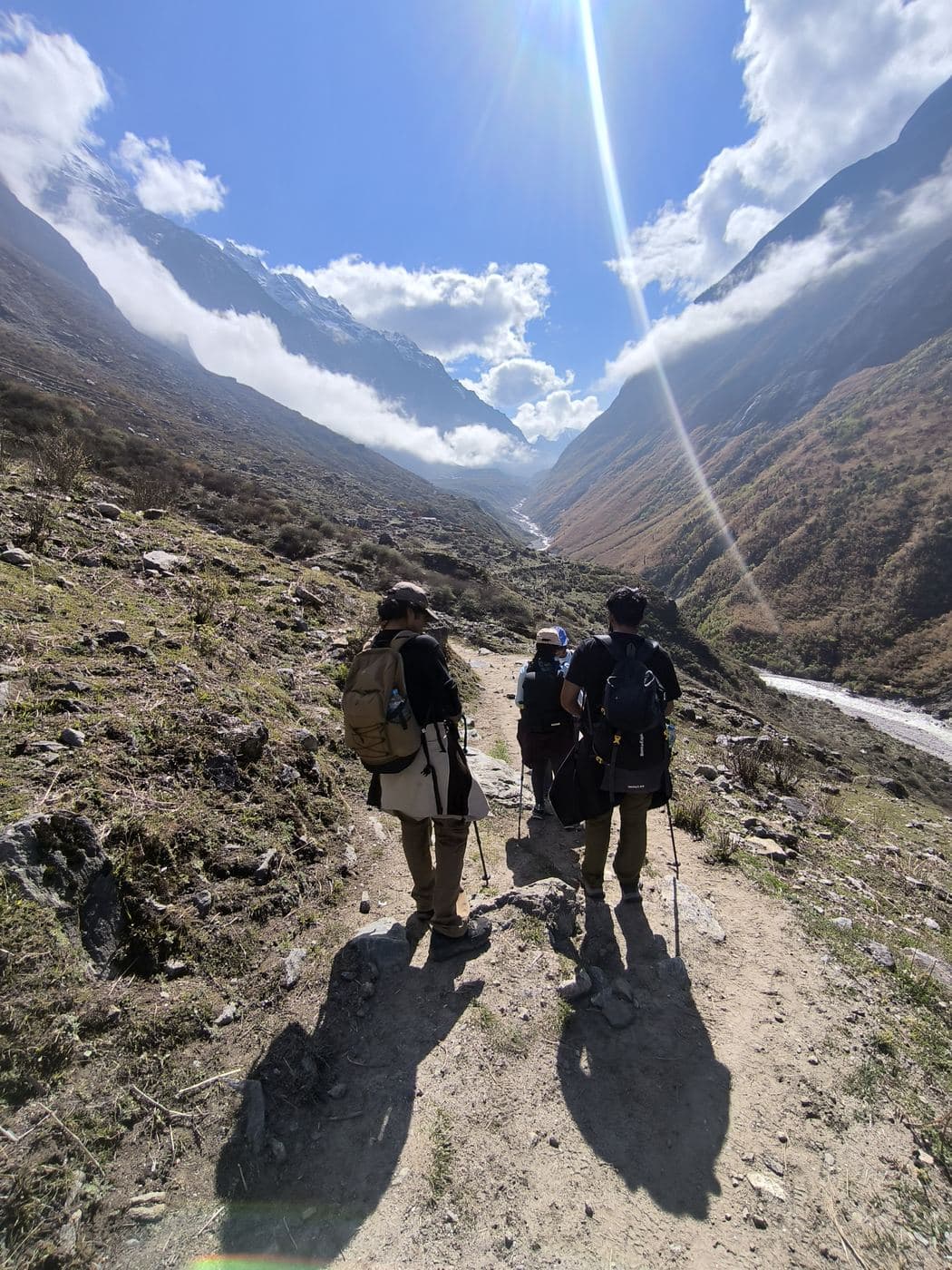
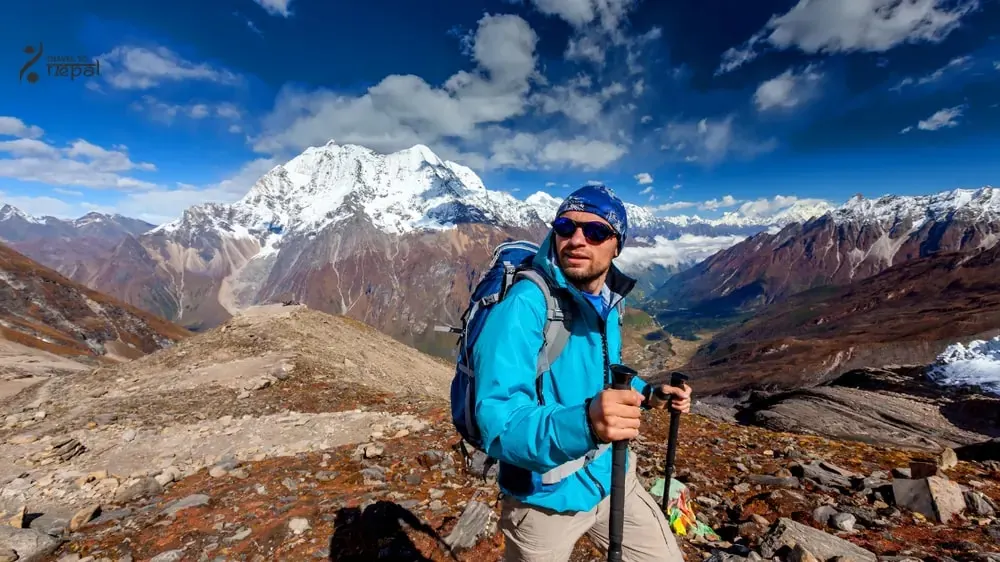
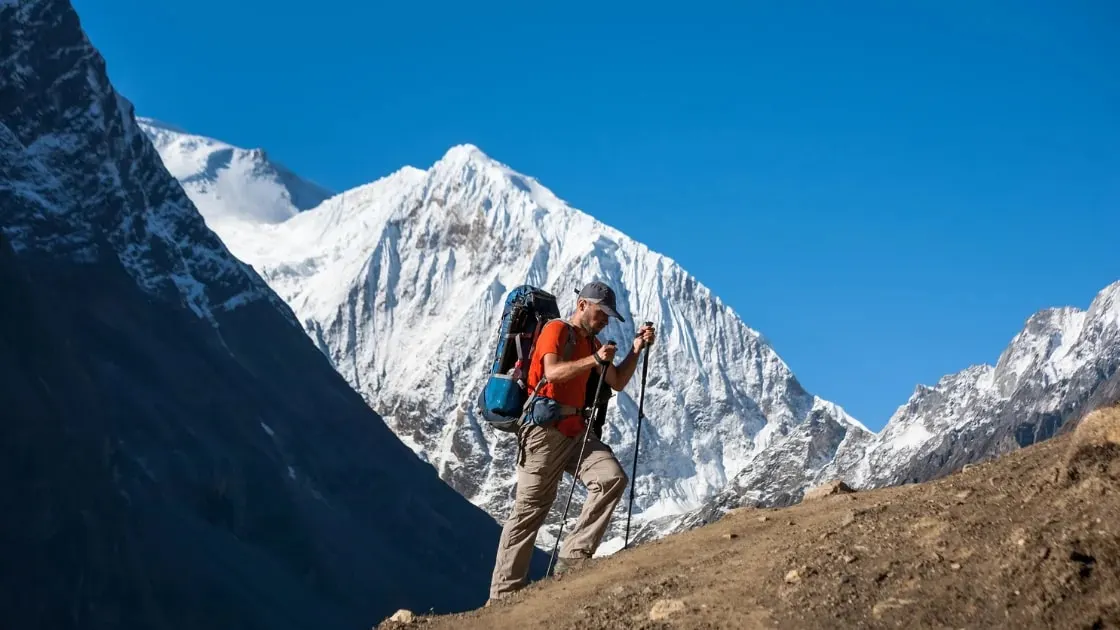
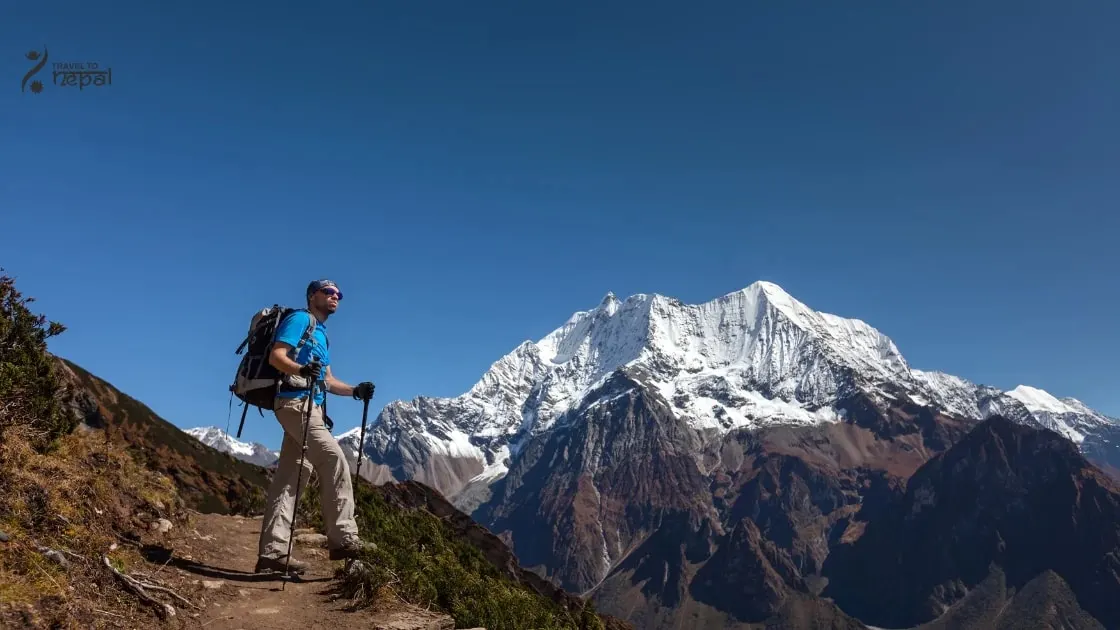
Hiking in Manaslu Circuit Trek, Manaslu Circuit Trek
  • Larkya La Pass 5,106 m
  • Restricted area permit
  • Licensed local guide

Introduction

The Manaslu Circuit Trek is a 13 day teahouse trek around Manaslu (8,163 m), the eighth-highest mountain in the world, in Nepal's Gorkha district. You walk 148.7 km over 11 days, from Machha Khola (890 m) up the Budhi Gandaki valley, across Larkya La Pass (5,106 m), and down to Dharapani (1,860 m) on the Annapurna side.

Trip Overview

Verified route 2027/2028

  • Start / finish
    Kathmandu
  • Total distance
    ~149 km / 93 miles
  • Daily walking
    4-7 hours a day; 9-10 hours on Pass day
  • Regions
    Manaslu Region → Annapurna Region
  • Country
    Nepal
  • Duration
    13 days
  • Difficulty
    Challenging
  • Max. altitude
    5,106 m / 16,752 ft
  • Best season
    Mar-May, Oct-Nov
  • Accommodation
    Teahouse and hotel
  • Transport
    Jeep/Local Bus
  • Activity
    Trekking / hiking

Trek milestones

Manaslu Circuit Trek highlights and why you will love this trek

  • Cross Larkya La Pass at 5,106 m

    Start before dawn from Dharamsala and reach the prayer flags of Larkya La, with Himlung Himal, Cheo Himal, Kang Guru and Annapurna II views in front of you.

  • See Manaslu up close

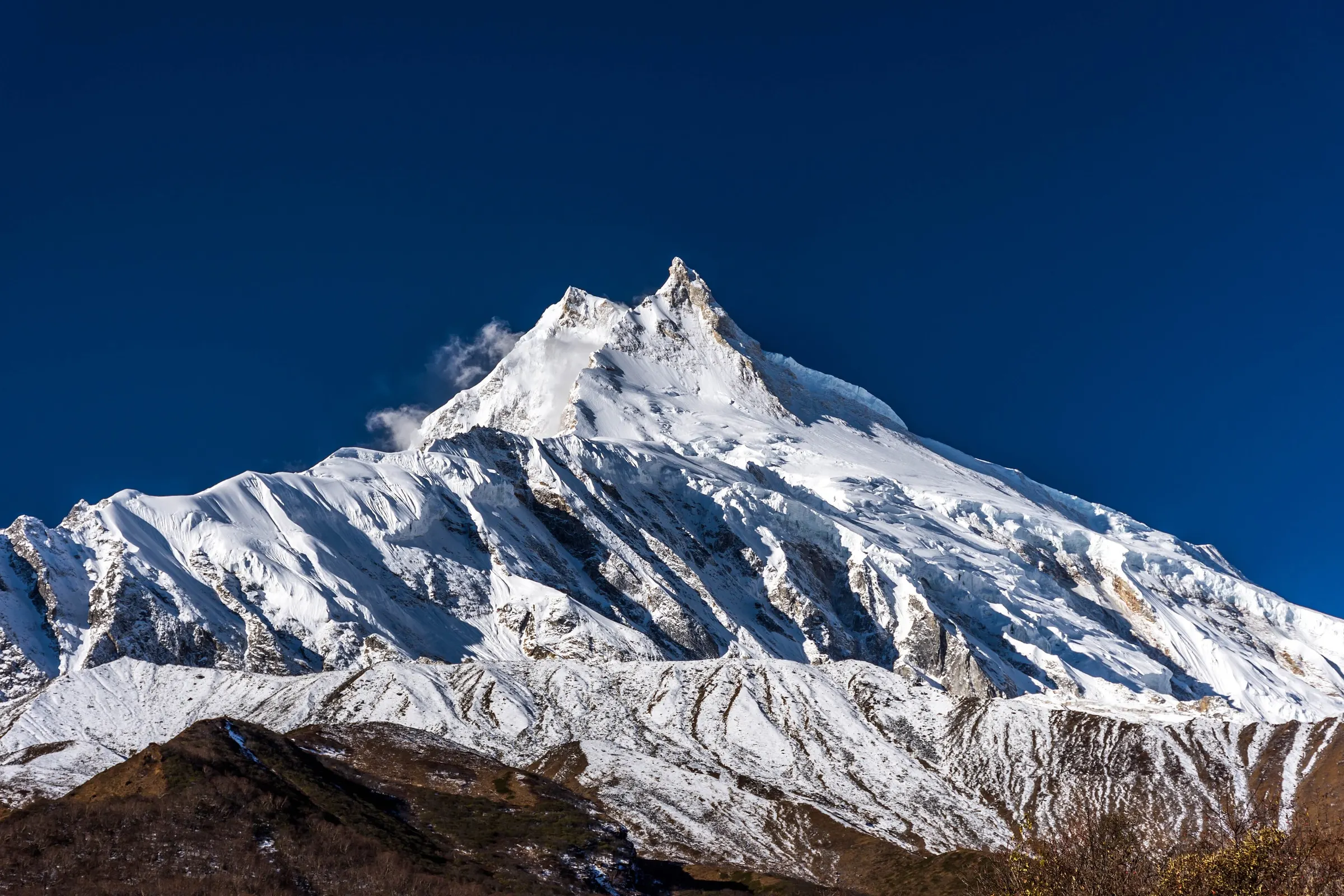
    From Lho, Samagaon and Pungyen Gompa, Manaslu (8,163 m) rise straight above the village fields.

  • Walk through Traditional Buddhist villages

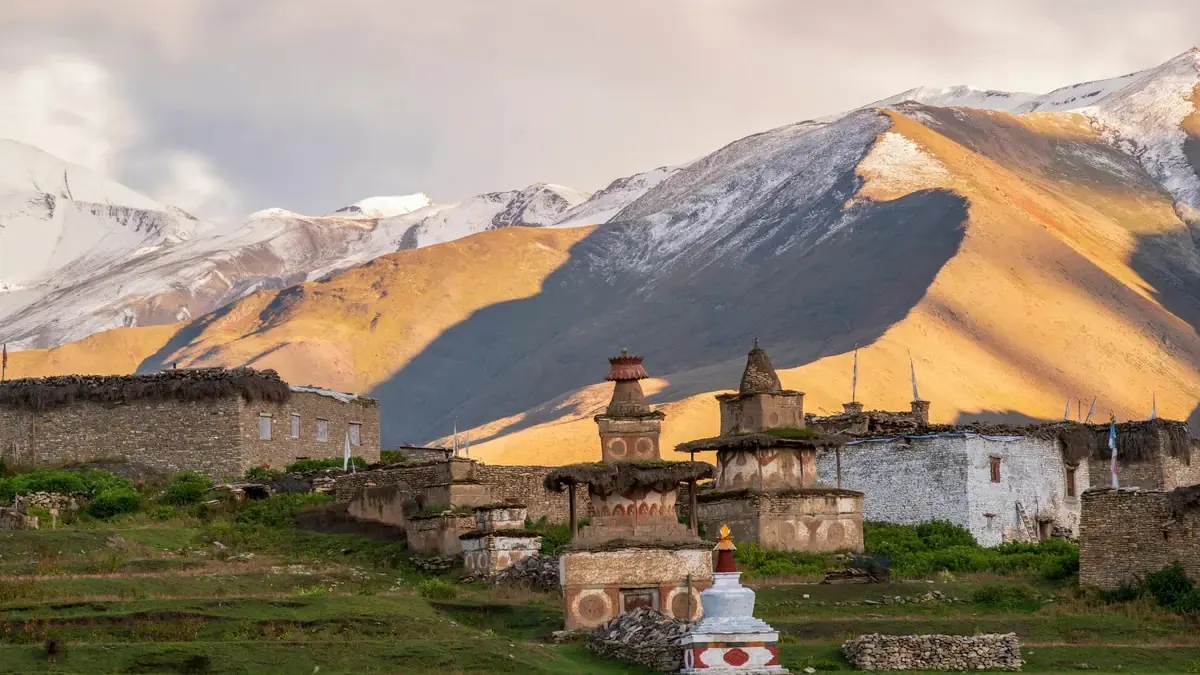
    Visit Namrung Gompa, Ribung Gompa above Lho, Kargyu Chholing Gompa in Samagaon, and Samdo, a village of Tibetan linkage near the border.

  • Follow the Budhi Gandaki river gorge

    Climb stone steps, cross long suspension bridges and pass the Tatopani hot spring as the trail winds from Machha Khola to Deng.

  • Trek quiet trails in a restricted area

    The permit system keeps trekker numbers low, so you share the teahouses with far fewer people than on the Annapurna Circuit.

  • Hike to Birendra Lake or Manaslu Base Camp

    On the rest day at Samagaon, walk to the glacial Birendra Lake (3,691 m) or climb to Manaslu Base Camp (4,800 m) for icefall views.

Trekker suitability guide

Is the Manaslu Circuit Trek Right for You?

The Manaslu Circuit suits fit trekkers who want a remote, high-altitude loop and don't mind basic lodges for a few nights.

Suitability checklist

  • Physical demands and fitness: You walk 11 days and about 48 to 56 hours in total, including a 9 to 10 hour pass day. Regular hiking, stairs or cardio training for 2 months before the trek makes a big difference.

  • Altitude and acclimatization: You sleep above 3,500 m for five nights, with the highest night at Dharamsala (4,460 m). The rest day at Samagaon helps your body adjust before the pass.

  • No climbing skills required: Snow can cover Larkya La in spring and late autumn, so your guide may ask you to wear microspikes on the pass.

  • Trail comfort and accommodation: Lodges are comfortable up to Namrung. Above Samagaon, rooms are simple and cold, and Dharamsala has squat toilets and no hot shower.

  • Mental resilience: Long road days at the start and end, early starts and limited Wi-Fi test your patience. A calm, flexible mindset helps when weather changes plans.

  • Medical conditions: If you have heart, lung or blood pressure problems, see your doctor before booking. Mention any condition to us so your guide can plan for it.

Unsure about your fitness or readiness?Our lead trek director gives a free, no-obligation preparation check.

Our heritage and roots

Our story

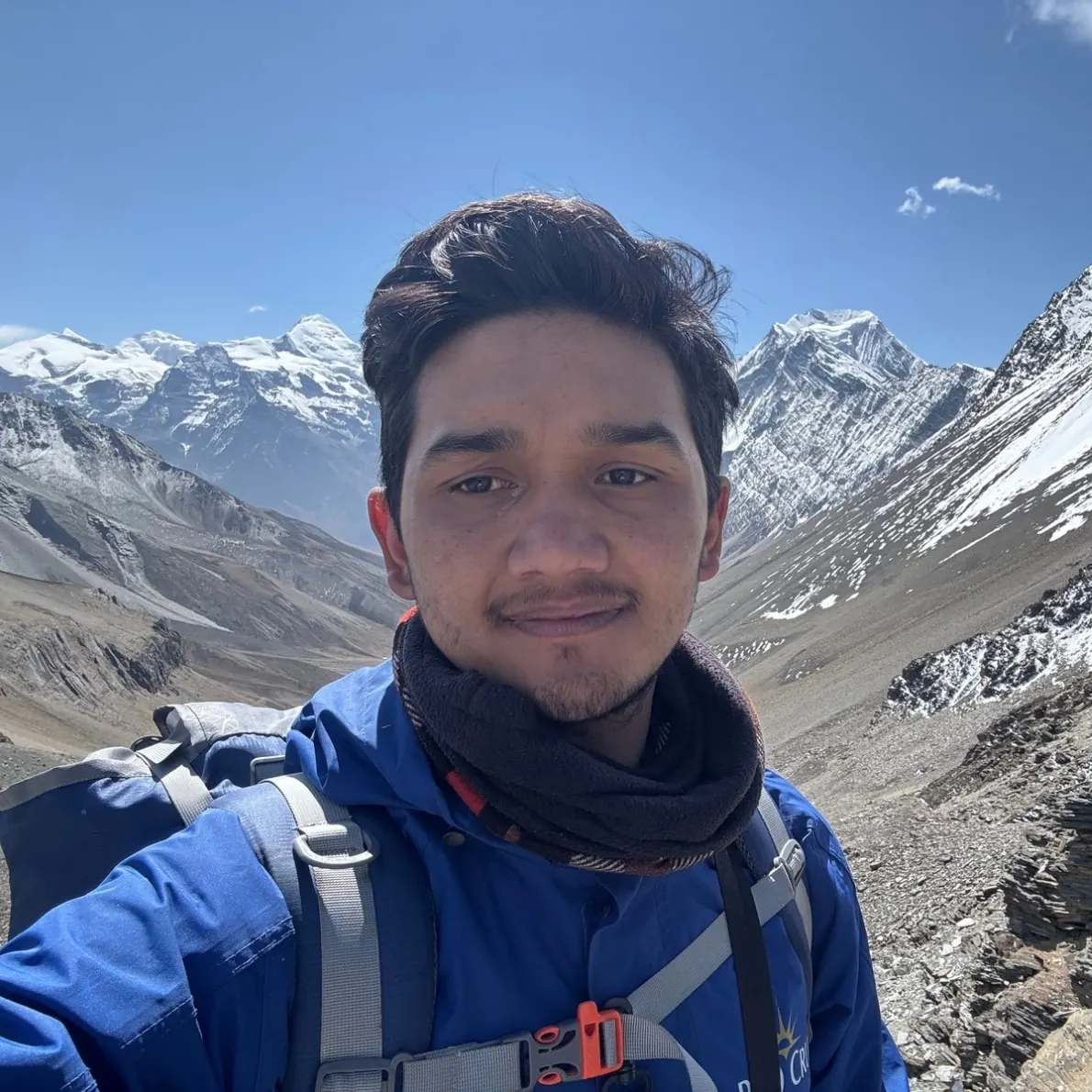
I’m Sandip Kshetri, a licensed guide from Mirlung, a hillside village in Tanahun near the Annapurna region. I’ve guided more than 200 travelers in Nepal. My journey began on the Mardi Himal Trek in 2022. One clear afternoon, I stopped to watch a small cloud drift across Annapurna South. As I stood there, it felt like the mountain was whispering to me. That moment made me realize that mountains, rivers, and forests have their own voice, and we only need to listen. From that day, my love for nature and mountains grew stronger. That passion led me into tourism, and in 2025, I cofounded Travel To Nepal. I started this company to stay in my own country and give something back to it. We pay our guides and porters 50% more than the industry standard, and no porter carries more than 20 kg. We also show Nepal through local voices, including small villages which most travelers never hear about. We trek slowly and with an open mind, so you notice the villages, rivers, and forests, not just the summit view. Above all, we always keep your safety first.

Sandip KshetriFounder and lead trek director

Read our story

Do you have any specific questions that you want to ask us personally?

Message us on WhatsApp or send us an email. Either I or my team will personally answer your questions and make sure all your doubts are answered properly.

  • Prompt 1-to-1 local advice
  • Free itinerary discussion
  • Fast reply on WhatsApp

Step-by-step route

13-day Manaslu Circuit Trek Itinerary

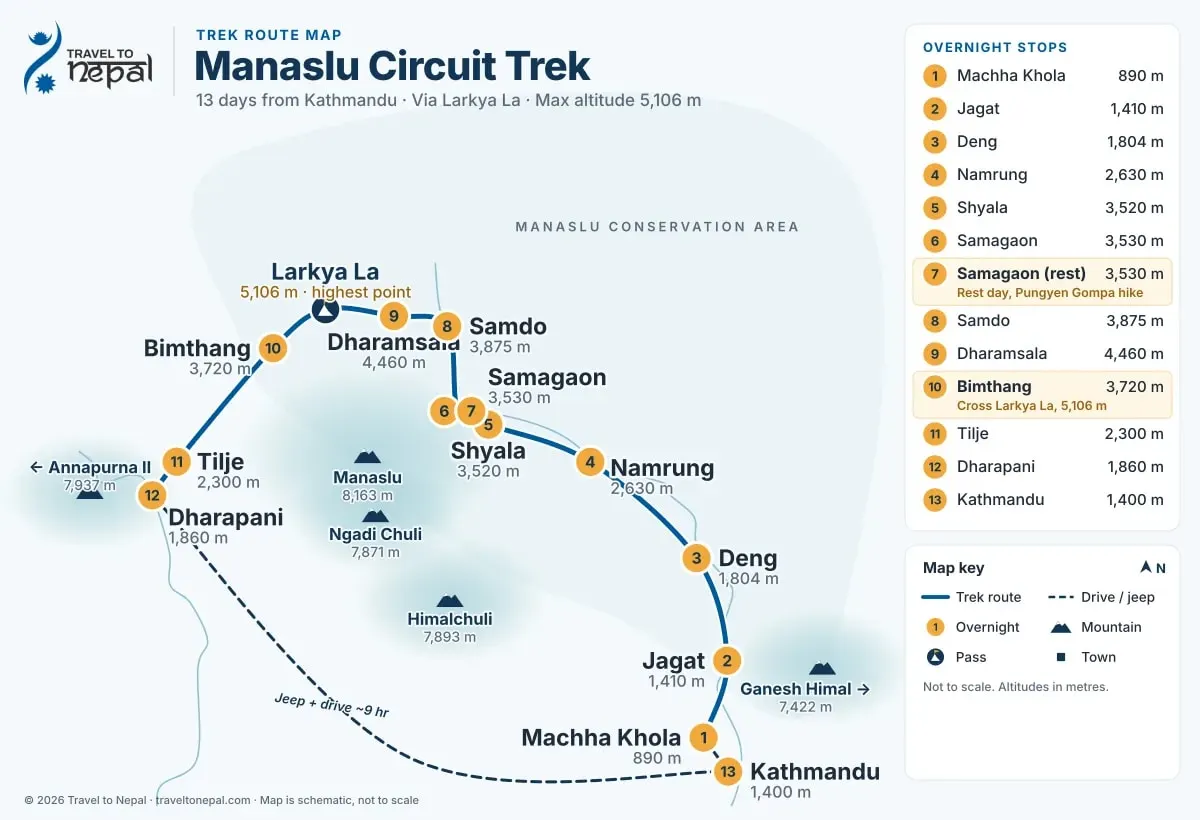
This 13 day itinerary gives you 11 walking days, one acclimatization day at Samagaon and a short buffer day after the pass. You gain height slowly through the Budhi Gandaki valley, rest at 3,530 m, then climb to Dharamsala (4,460 m) and cross Larkya La (5,106 m) on Day 10. Daily walks are 4 to 7 hours on most days. The longest walking day is the pass crossing, and the longest days overall are the two drives at the start and end.

Manaslu Circuit Trek Overview Map
  1. Starts in the Manaslu Region region

    Day 1: Drive Kathmandu to Machha Khola (890 m)

    Long road day · Budhi Gandaki valley

    8 to 10 hrs drive · up to 1,400 m at Kathmandu · sleep 890 m

    Day 1 is a 157 km drive from Kathmandu to Machha Khola, and it takes 8 to 10 hours. The first 125 km to Arughat (600 m) follows paved highway and then narrow rural road, which takes 6 to 7 hours. The last 32 km from Arughat to Machha Khola is a rough, unpaved track that takes another 2 to 3 hours.

    Some drivers take the other road via Benighat on the Prithvi Highway, which covers the same distance. Arughat has the last ATM on the route, so carry all the cash you need from Kathmandu.

    Machha Khola means "fish river," and it is a small village on the banks of the Budhi Gandaki. Lodges here have private rooms, paid hot showers and slow Wi-Fi.

  2. Day 2: Trek Machha Khola to Jagat (1,410 m)

    River gorge · Tatopani hot spring

    6–7 hrs · 1,410 m

    Today you walk 22 km from Machha Khola to Jagat in 6 to 7 hours, gaining 520 m. The trail follows the Budhi Gandaki river through a narrow gorge, with stone steps, landslide sections and several suspension bridges.

    After Khorlabesi, you reach Tatopani (990 m), where a natural hot spring flows beside the trail. It is a good place to rest your legs before the climb continues towards Dobhan and Jagat.

    Jagat is a paved Gurung village and the entrance to the Manaslu restricted area. Your guide shows your permits at the check post here. Lodges have private rooms, some attached bathrooms and paid hot showers.

  3. Day 3: Trek Jagat to Deng (1,804 m)

    Narrow gorge · Bamboo forest

    7–8 hrs · 1,804 m

    Today you walk 20 km from Jagat to Deng in 7 to 8 hours, gaining 394 m. The trail climbs and drops along the valley, crossing suspension bridges high above the river.

    You pass Philim (1,570 m), a Gurung village with the Chhyoling Sandu Gompa and an MCAP check post. Further on, at Ekle Bhatti, the trail to Tsum Valley branches off to the right. You stay on the main Manaslu trail and enter a steep, forested gorge.

    Deng is a small village with only a few lodges. Rooms are private, but bathrooms are shared and hot showers are not guaranteed.

  4. Day 4: Trek Deng to Namrung (2,630 m)

    Ghap Monastery · First Tibetan villages

    6 hrs · 2,630 m

    Today you walk 19 km from Deng to Namrung in about 6 hours, gaining 826 m. This is a big climb, mostly through pine, oak and rhododendron forest.

    On the way, you pass Ghap (2,160 m) with its small monastery and long mani walls carved with prayers. From here, Buddhist culture shapes the villages. In September 2026, a flood damaged the bridges near Namrung, and the trail now uses a temporary crossing at Suksum. Your guide will lead you across one person at a time.

    Namrung has a restricted-area check post, Namrung Gompa and some of the best lodges on the trail, with paid Wi-Fi. You get your first views of Ganesh Himal I, Shringi Himal and Himalchuli. If you have energy, the short spur to Hinang Gompa (3,160 m) is worth the extra climb.

  5. Day 5: Namrung to Shyala (3,520 m)

    Lho village · Ribung Gompa · Manaslu views

    6–7 hrs · 3,520 m

    Today you walk 17 km from Namrung to Shyala in 6 to 7 hours, gaining 890 m. This is the day the big mountains appear.

    The first part, from Namrung to Lho (3,180 m), takes 4 to 5 hours and covers 11 km. Lho is a Nubri village with Ribung Gompa on the hill above it. From here, you see Manaslu, Himalchuli, Ngadi Chuli, Naike Peak and Larkya Peak in one wide view.

    From Lho, a gradual 2-hour climb of 6 km brings you to Shyala. The village sits in an open valley with Manaslu and Himalchuli right in front of you. Lodges are basic, so put on warm layers as soon as you arrive.

  6. Day 6: Shyala to Samagaon (3,530 m)

    Short walk · Birendra Lake option

    1–2 hrs · 3,530 m

    Today is a short, flat walk of 4.5 km from Shyala to Samagaon, taking 1 to 2 hours. You arrive before lunch, which gives your body time to adjust to the height.

    Samagaon (also spelled Sama Gaun) is the largest village on the upper trail. It has 6 to 8 lodges, the Kargyu Chholing Gompa and wide fields of potatoes and barley below Manaslu.

    In the afternoon, you can walk to Birendra Lake (3,691 m), a glacial lake fed by the Manaslu glacier. It is 2.5 km from the village and takes 2 to 3 hours there and back. You hear and sometimes see ice falling from the glacier into the lake.

  7. Day 7: Acclimatization Day at Samagaon (3,530 m)

    Pungyen Gompa · Manaslu Base Camp option

    Day hike · up to 4,800 m at Manaslu Base Camp · sleep 3,530 m

    Today you stay a second night in Samagaon to acclimatize before the high section. A day hike to a higher point, followed by a return to sleep lower, is the best way to help your body adapt.

    The standard hike goes to Pungyen Gompa (4,000 m), a climb of about 470 m. The monastery sits right below the Manaslu glacier, with close views of Manaslu, Himalchuli and Ngadi Chuli.

    If you feel strong, you can choose Manaslu Base Camp (4,800 m) instead. It is a hard climb of 1,270 m on glacial moraine and takes 6 to 7 hours there and back. Birendra Lake is the easy option if you want a lighter day. Your guide will help you choose based on how you feel.

  8. Day 8: Samagaon to Samdo (3,875 m)

    Dry alpine valley · Tibet border village

    3–4 hrs · 3,875 m

    Today you walk 8 km from Samagaon to Samdo in 3 to 4 hours, gaining 345 m. The trail follows the Budhi Gandaki upstream into a dry, open alpine valley with juniper bushes and yak pastures.

    Samdo is the last permanent village before the pass. Its people are of Tibetan origin, and the Samdo Gompa (3,860 m) sits above the stone houses. Manaslu and Manaslu North rise behind the village.

    There are only 3 to 4 lodges, and charging is solar. In the afternoon, you can walk up the valley towards the Tibet border for views of Samdo Peak and the high ridges.

  9. Day 9: Samdo to Dharamsala (4,460 m)

    Larkya high camp · Coldest night

    4 hrs · 4,460 m

    Today you walk 11.7 km from Samdo to Dharamsala (Larkya Phedi) in about 4 hours, gaining 585 m. Walk slowly, because this is your highest night on the trek.

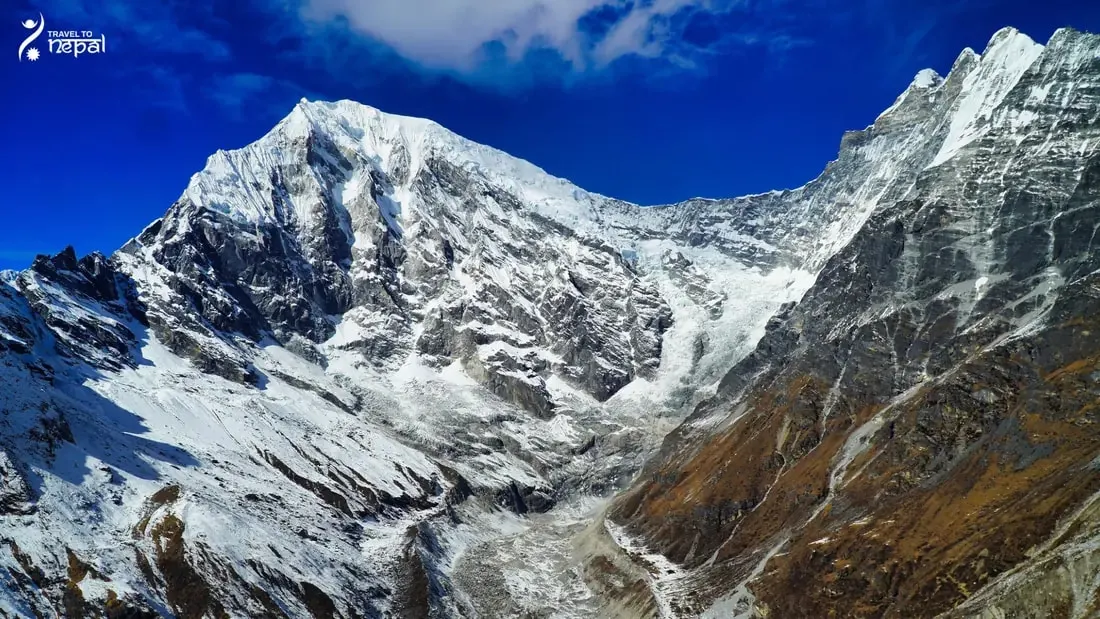
    The trail crosses the Larkya Glacier valley and climbs gently past old moraines. Dharamsala, also called Larkya Phedi or Larkya Base Camp, is a small camp of a few basic lodges at the foot of the pass. Views of Manaslu North and Larkya Peak surround the camp.

    Facilities are very basic. Rooms are shared or limited, the toilets are outdoor squat toilets, and there is no hot shower or Wi-Fi. Nights drop to about −7 °C in October. Eat an early dinner, drink plenty of water and sleep early for the pre-dawn start.

  10. Day 10: Dharamsala to Bimthang via Larkya La (5,106 m)

    Pass day · Himlung and Annapurna views

    9–10 hrs · up to 5,106 m at Larkya La · sleep 3,720 m · High point

    Today you cross Larkya La (5,106 m), the highest point of the trek. You walk 24 km in 9 to 10 hours, climbing 646 m and descending 1,386 m.

    You leave Dharamsala at 3 to 4 am with headlamps. The trail climbs over moraine and past small frozen lakes, and it is often covered in snow. After 4 to 5 hours, you reach the prayer flags at the top. From the pass, you see Himlung Himal, Cheo Himal, Kang Guru, Nemjung, Gyaji Kang and Annapurna II.

    The descent is long, steep and rocky, so take your time and use trekking poles. The trail drops into the valley of the Bimthang glacier and ends at Bimthang, a wide meadow with several lodges. Manaslu’s west face rises behind you at sunset.

  11. Into the Annapurna Region region

    Day 11: Bimthang to Tilje (2,300 m)

    Rhododendron forest · Gurung villages

    5–6 hrs · 2,300 m

    Today you walk 16 km from Bimthang to Tilje in 5 to 6 hours, losing 1,420 m. It is a long downhill day, so your knees will feel it.

    The trail crosses the Dudh Khola and descends through rhododendron and pine forest. In spring, the forest is full of red and pink flowers. You pass the small settlement of Gho and get views back to Manaslu and of Lamjung Himal (6,983 m).

    Tilje is a Gurung village with stone-paved lanes. The air is warm again, and lodges have full menus.

  12. Day 12: Tilje to Dharapani (1,860 m)

    Short walk · Annapurna Circuit road

    1.5 hrs · 1,860 m

    Today is a short 6.5 km walk from Tilje to Dharapani, taking about 1.5 hours and losing 440 m. The trail joins the Marsyangdi valley and the Annapurna Circuit road at Dharapani.

    This short day works as a buffer. If snow or bad weather delays the pass crossing by a day, the itinerary still finishes on time.

    Dharapani has an ACAP check post where your guide shows your Annapurna permit. Lodges here have Wi-Fi and hot showers, so it is a good place to relax, wash and celebrate the end of the trek.

  13. Day 13: Dharapani to Kathmandu (1,400 m)

    Jeep to Besisahar · Road to Kathmandu

    10–12 hrs drive · 1,400 m

    Today you drive from Dharapani back to Kathmandu, and it is a full day on the road. The first leg is a 43 km jeep ride to Besisahar (760 m) on a rough, bumpy mountain road, taking 4 to 5 hours.

    From Besisahar, the road improves. The drive to Kathmandu covers about 175 km and takes 6 to 7 hours along the Marsyangdi and Trishuli rivers. You reach your hotel in Kathmandu in the evening.

Unlimited free changes until it is right

Custom itinerary and private changes

Want to match your own pace, fitness, group or holiday dates? Tell us what you have in mind and our Kathmandu team will change the route as many times as you need, until it is the Manaslu Trek you want.

  • Extra rest day
  • Add Manaslu Base Camp
  • Private guide and porter
  • Slower or faster pace

WhatsApp +977 9847693070 · inquiry@traveltonepal.com · Reply usually within a few hours

Local expertise and safety first

Meet your trek guide

Licensed guides who grew up near Manaslu, trained in wilderness first aid and experienced on the Larkya La.

  • Manaslu Region local

    WFR certified

    Tsering Lama

    17+ yrs guiding

    Restricted-area trek leader

    Samagaon, Gorkha

    “On the Larkya La we start before dawn and turn back if the weather says so. That is how we come home.”
    Cert:
    Wilderness first responder, trekking guide training (NATHM), mountaineering course (NMA)
    Languages:
    English, Nepali, Tibetan

Full disclosure

What’s covered · What’s not included

Included in the price

  • Ground transport: Kathmandu – Machha Khola and Dharapani – Besisahar – Kathmandu by local tourist bus.

  • Government Licensed experienced guide: first-aid trained, insured and fairly paid; the restricted area needs a licensed guide.

  • Teahouse lodging: 11 nights on the trek and 1 hotel nights.

  • Permits: Manaslu restricted area permit, Manaslu (MCAP) and Annapurna (ACAP) conservation permits.

  • Safety gear: Pulse oximeter and first-aid kit.

  • Assistant Guide: For 7 pax and above

  • Trek Map: Map of Manaslu Circuit Trek

  • Dessert: Dessert after the dinner

Not included

  • Meals on the trek: order freely from the menu (about $15–25 a day).

  • International airfare: flights to and from Kathmandu.

  • Travel insurance: required, with helicopter rescue cover to 5,500 m.

  • Nepal tourist visa: on arrival at the airport.

  • Lodge extras: hot showers, battery charging and Wi-Fi.

  • Private Jeep: private jeep (Kathmandu to Machhakhola, Dharapani to Kathmandu)

  • Tips: for guide and porter (customary)

Why don't we include meals in our trekking package?

Trekker-first transparency

  • Freedom of choice and appetiteAppetite changes with altitude. Order what your body wants, from dal bhat to pasta, porridge or soup.

  • Direct support for teahouse familiesYou pay the lodges directly, so all food money stays with the local families who run them.

  • No package markupsAll-inclusive meal packages are often padded. Here you pay real menu prices for what you eat.

  • Dietary needs and allergiesVegetarian, vegan or gluten-free: order on the spot and get food made the way you need it.

Average daily food budget: plan on about $15–25 USD per day for hearty breakfasts, lunches, hot dinners and boiled drinking water or tea.

Pro tips and important notes

Trail pro tips

  • Add a Buffer Day to Your Itinerary: Keep one or two spare days in your schedule for bad weather, landslides or illness. Snowfall can delay the Larkya La crossing, and jeep roads in the lower section often get blocked. A buffer day lets you wait safely instead of rushing a risky pass.

  • Pack Warm Layers, Not Heavy Clothes: Layering keeps you comfortable as temperatures swing from warm valleys to freezing nights. Bring a base layer, a fleece, a down jacket and a waterproof shell. Nights in Samdo and Dharamsala often drop below –10°C in peak season, so a four-season sleeping bag is worth carrying.

  • Break In Your Trekking Boots Before the Trip: Wear your boots on several long walks before you arrive in Nepal. New boots are the most common cause of blisters on long treks. Choose waterproof boots with good ankle support for the rocky trails and snowy pass.

  • Carry Enough Cash in Nepali Rupees: Bring all the cash you need from Kathmandu, as there are no ATMs along the trail. Teahouses accept only cash for food, hot showers, charging and Wi-Fi. Budget around NPR 4,000 to 6,000 per day for meals and extras, plus some money for tips.

  • Stay Hydrated and Treat Your Water: Drink 3 to 4 liters of water daily to help your body adjust to altitude. Use purification tablets, a filter or a UV purifier instead of buying plastic bottles. Hot lemon and ginger tea at teahouses are also great ways to stay hydrated.

  • Eat Dal Bhat for Energy: Dal bhat is the best meal on the trail because it is filling, fresh and comes with free refills. Teahouses cook it with local ingredients, so it is safer than meat dishes in the upper villages. Avoid meat above Samagaun because it is carried up for days without refrigeration.

  • Start the Larkya La Crossing Early: Leave Dharamsala (Larkya Phedi) at 4 AM on pass day. An early start helps you cross before strong winds pick up in the afternoon. Carry a headlamp, snacks, warm water and microspikes if there is fresh snow.

  • Bring Snacks from Kathmandu: Pack energy bars, nuts, dried fruit and chocolate before you leave the city. Snacks cost two to three times more in upper villages because porters and mules carry them up. They give you quick energy on long climbs, especially on the pass day.

  • Carry a Power Bank and Spare Batteries: A power bank keeps your phone and camera working when charging is unavailable or costly. Teahouses in upper villages charge extra for every device, and cold weather drains batteries fast. Keep batteries inside your sleeping bag at night to save power.

  • Respect Local Culture and Monasteries: Walk to the left of mani walls and chortens, which means passing them in a clockwise direction. Ask before photographing people, monks or the inside of monasteries. Dress modestly and remove your shoes before entering a gompa.

  • Bring All Your Nepali Cash from Kathmandu: Withdraw all your trekking money in Kathmandu, because there are no ATMs on the Manaslu trail. Plan for NPR 2,500 to 4,500 per day to cover meals, hot showers, boiled water, Wi-Fi and phone charging. Add 2 to 3 extra days of cash in case snow or a blocked road holds you up. Carry small notes, since

  • Order Your Meals Ahead of Time: Give your dinner order to your guide or the teahouse owner soon after you arrive, and order breakfast the night before. Most teahouse kitchens are small and cook for every guest on a single stove, so early orders keep things moving. This matters most in Dharamsala (Larkya Phedi), where every trekker

  • Stand on the Uphill Side When Mules Pass: Always move to the uphill side of the trail when a mule or yak caravan comes your way. Never stand on the edge facing the cliff or river. The animals carry wide loads that can bump you off a narrow path, so stay still and wait until the last animal has passed.

  • Carry Microspikes from November to April: Pack a pair of microspikes if you trek in late autumn, winter or spring. Hard snow and ice often cover the climb to Larkya La and the steep descent toward Bimthang. Microspikes weigh little and give your boots a firm grip on frozen slopes. Your guide will check trail conditions the evening before th

Essential teahouse notes

  • Teahouse rule: Eat breakfast and dinner where you sleep. Lodges keep room prices low because of it.

  • A Licensed Guide Is Mandatory: You cannot trek the Manaslu Circuit without a licensed guide, because it is a restricted area. Independent trekking is not allowed, and you must book through a licensed Nepali trekking agency that arranges your permits, guide and logistics. Officials check your guide and permits at checkpoints along

  • Carry Your Passport and Permit Copies: Keep your passport, a few photocopies in a waterproof bag. Checkpoint staff at Jagat and other points will ask to see them. Missing documents can stop you from continuing the trek.

  • Travel Insurance Must Cover Helicopter Rescue: Your insurance must cover high-altitude trekking up to at least 5,500 m and helicopter evacuation. Larkya La sits at about 5,106 m, and rescue from remote areas is only possible by helicopter. Many agencies will not accept you without proof of this coverage.

  • Larkya La Is the Hardest Day: Crossing Larkya La Pass is the toughest and longest day of the trek. You climb about 650 m and then descend about 1,600 m to Bimthang over loose, often icy terrain. Your guide may delay the crossing if the weather turns bad, so always follow their call.

  • Know the Signs of Altitude Sickness: Watch for headache, nausea, dizziness, poor sleep and loss of appetite above 3,000 m. Tell your guide about any symptoms right away. If symptoms get worse, descend immediately, because going lower is the only reliable cure.

  • Teahouses Are Basic in Upper Villages: Expect simple rooms with twin beds, thin walls and shared toilets above Samagaun. Dharamsala has very limited rooms, so trekkers sometimes sleep in dorms or tents during peak season. Your guide should book ahead to secure a bed.

  • Road Access Changes Every Year: The jeep road now reaches deeper into the lower valley, so your starting point may vary. The road has expanded to Soti Khola in recent years, and Dharapani, the ending point, sits on the Annapurna Circuit trail. Expect rough, dusty rides that can take 8 to 10 hours from Kathmandu.

  • Monsoon Brings Landslides and Leeches: Avoid June to August unless you are ready for wet trails, landslides and leeches in the lower forests. Rain also blocks mountain views on most days. If you trek in monsoon, add extra buffer days and pack rain gear and leech socks.

  • Winter Can Close the Pass: Heavy snow often closes Larkya La from late December to February. Some teahouses near the pass also shut down during these months. Check current conditions with your agency before planning a winter trek.

  • Mobile Network and Internet Are Limited: Phone signal and Wi-Fi are weak or missing in many upper villages. Buy a local SIM card in Kathmandu, but expect long gaps in coverage. Tell your family you may be offline for several days.

  • Leave No Trace on the Trail: Carry your plastic waste back to a town with proper disposal. The Manaslu region has no waste management system in its remote villages. Using refillable water bottles and avoiding packaged products helps keep this beautiful trail clean.

Acclimatization map

Route and elevation profile

Daily altitude curve

You sleep no higher than 4,460 m and only day hike to the high point.

Peak: 5,106 m

1,500 m3,000 m4,500 m6,000 mKathmanduMachha KholaD1JagatD2DengD3NamrungD4ShyalaD5SamagaonD6Manaslu Base CampSamagaonD7SamdoD8Dharamsala 4,460 mD9Larkya La 5,106 mBimthangD10TiljeD11DharapaniD12KathmanduD13
Trek start · Machha Khola
890 m / 2,920 ft
Highest night · Dharamsala
4,460 m / 14,633 ft
High point · Larkya La
5,106 m / 16,752 ft

Route and GPS waypoints

Manaslu Circuit Trek route map

Google interactive trail and waypoint map

GPS trail route

Interactive Google map
Loading it connects to Google, which can see your IP address and may set cookies.

Stops on the route

  1. Kathmandu 1,400 mStart

    Day 1
  2. Machha Khola 890 m

    Day 1
  3. Jagat 1,410 m

    Day 2
  4. Deng 1,804 m

    Day 3
  5. Namrung 2,630 m

    Day 4
  6. Shyala 3,520 m

    Day 5
  7. Samagaon 3,530 m

    Day 6
  8. Manaslu Base Camp 4,800 m

    Day 7
  9. Samagaon 3,530 m

    Day 7
  10. Samdo 3,875 m

    Day 8
  11. Dharamsala 4,460 m

    Day 9
  12. Larkya La 5,106 mHigh point

    Day 10
  13. Bimthang 3,720 m

    Day 10
  14. Tilje 2,300 m

    Day 11
  15. Dharapani 1,860 m

    Day 12
  16. Kathmandu 1,400 m

    Day 13

Interactive map by Google Maps. See our privacy policy for how Google handles your data.

Direct operator advantage

Why book your trek with us

Local leadership, honest pricing and careful safety standards, straight from our Kathmandu team.

  • Built around you

    Every trek is private, so the plan fits you. Want an extra rest day, a slower pace or a different route? Just tell us, and we’ll change it at no extra cost.

  • Honest conversation

    We give you the same advice we’d give a friend, even if it means you book less with us. Our prices are transparent and there are no hidden fees.

  • Guides who call these mountains home

    Your guide grew up in these mountains and knows every turn of the trail you’re trekking.

  • Your safety comes first

    We build acclimatization days into every itinerary, check your oxygen levels daily and have a rescue plan ready on every trek. Plans can change, but safety never does.

  • Local, licensed and fair to our team

    We’re registered with the Government of Nepal and TAAN. You book straight with our team in Nepal, with no middleman. Our porters carry limited loads and get warm gear, insurance and fair wages.

  • More than a trek

    Along the trail, your guide takes you into village homes, quiet monasteries and local kitchens. Many guests tell us these moments changed the way they see Nepal.

Official verification

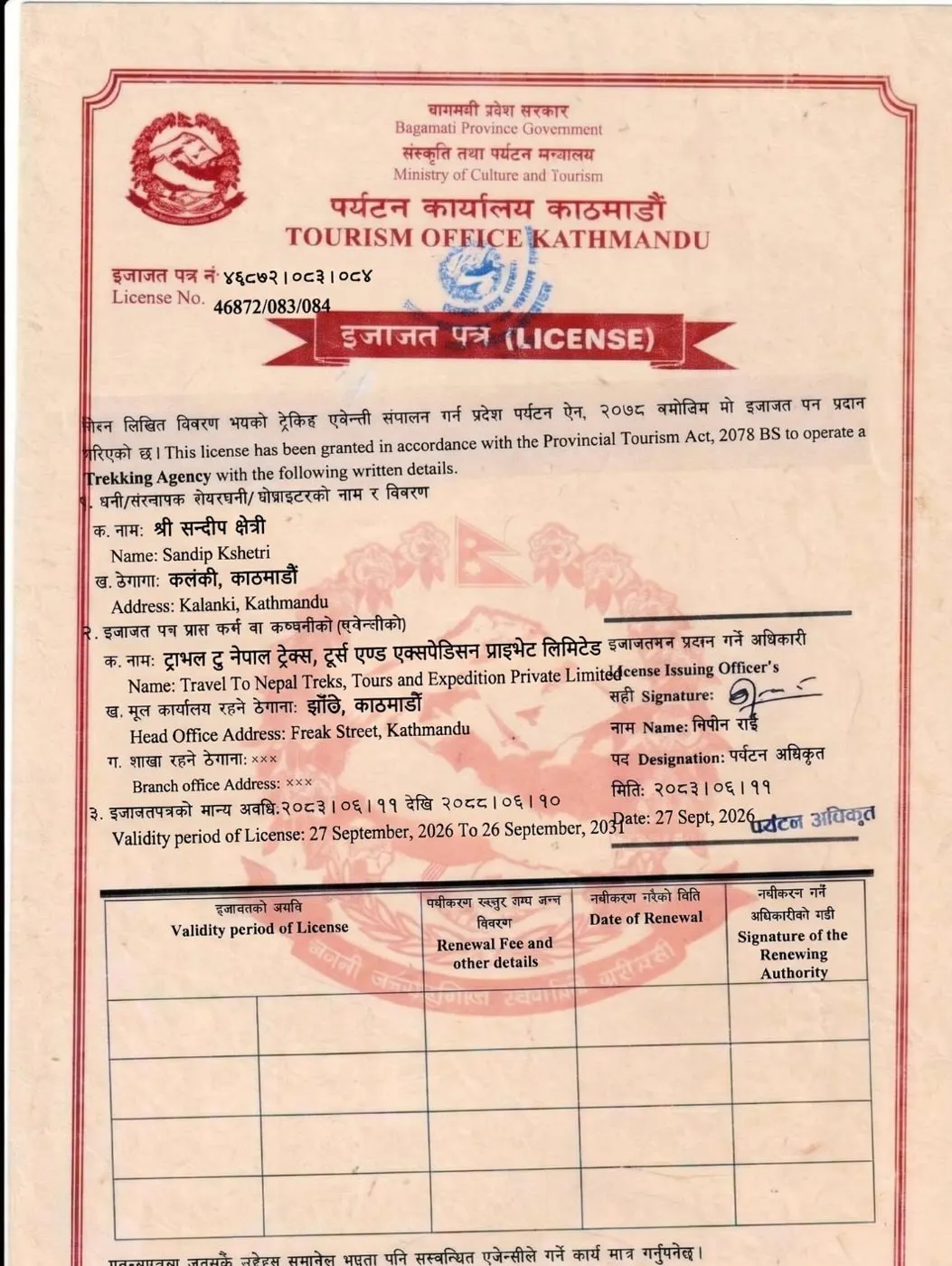
Credentials and government licences

Est. 2025 · Kathmandu

Govt. reg.
Tourism Office Kathmandu
Tourism licence
46872/083/084

Nepal Department of Tourism registration certificateRegistration Tourism Office Kathmandu · licensed trekking agency

View full certificate

Fast reply on WhatsApp

Book your Manaslu Circuit Trek

Direct local pricing, no middlemen. Fill this in and we open WhatsApp with your request already written.

Trek

Manaslu Circuit Trek — 13 days

Send my request by email

Nothing is stored on this website.

Gear and essentials

Manaslu Circuit packing list

Tested gear for the circuit: hot days in the gorge to −15 °C nights below the Larkya La.

Clothing and layering

  • Base layers: 2–3 merino or synthetic tops and bottoms.

  • Fleece mid-layer: a warm fleece or softshell.

  • Down jacket: rated to about −15 °C for Dharmasala and the pass.

  • Waterproof shell: jacket and trousers for rain low down and wind on the pass.

Footwear and trail care

  • Trekking boots: waterproof, broken in, with ankle support.

  • Camp shoes: light trainers or sandals for the teahouse.

  • Socks: 4–5 pairs of warm trekking socks.

  • Microspikes and gaiters: for snow on the Larkya La, especially early or late in the season.

Gear and packs

  • Daypack (25–35 L): with a rain cover for layers, water and snacks.

  • Duffel bag: We provide duffel bag for free, if you hire porter.

  • Sleeping bag: comfort to −15 °C (you can rent one in Kathmandu).

  • Trekking poles and headlamp: for the pass descent and the pre-dawn start.

Health, hygiene and water

  • Water purification: tablets or a UV pen, plus two 1 L bottles.

  • Medical kit: blister plasters, painkillers, rehydration salts.

  • Sun protection: SPF 50 sunscreen, glacier sunglasses and lip balm.

  • Hygiene: wet wipes, hand sanitizer and a quick-dry towel.

Practical field knowledge

Manaslu Circuit Trek guide: season, permits and high altitude

Essential insights from our local trek leaders.

Best Season/Months for the Manaslu Circuit Trek

The best months for the Manaslu Circuit Trek are October and November in autumn, and March to May in spring. In these months, Larkya La is usually open, the skies are clear and all the lodges are running.

  • March to April (spring): Days warm up, and rhododendrons bloom between Tilje and Bimthang. Nights at Samagaon drop to about −2 °C and at Dharamsala to about −8 °C in April. Snow can still lie on Larkya La, so microspikes help.

  • May (late spring): Days are warmest, but clouds build in the afternoon and pre-monsoon showers increase. Start early to get clear mountain views.

  • June to August (monsoon): Daily rain, leeches in the lower valley and a high risk of landslides on the Budhi Gandaki trail. We do not recommend the circuit in these months.

  • September (early autumn): The monsoon eases, but showers and cloud remain early in the month. The trail is quieter, and the views clear up towards the end of September.

  • October to November (autumn): This is the best and busiest season. Skies are clear and stable, and Samagaon has highs of about 13 °C and lows of about −1 °C in October. Dharamsala drops to about −7 °C at night. Beds at Samdo and Dharamsala fill up, so book early.

  • December to February (winter): Skies are clear, but it is very cold. Nights fall to −11 °C at Samagaon and −17 °C at Dharamsala in December, and heavy snow can close Larkya La for days. January and February are not a good time for the circuit.

*Snow can close Larkya La for several days, even in late November. Our short Day 12 gives you one spare day.

Best Season/Months for the Manaslu Circuit Trek, Manaslu Circuit Trek

Accommodation/Teahouse

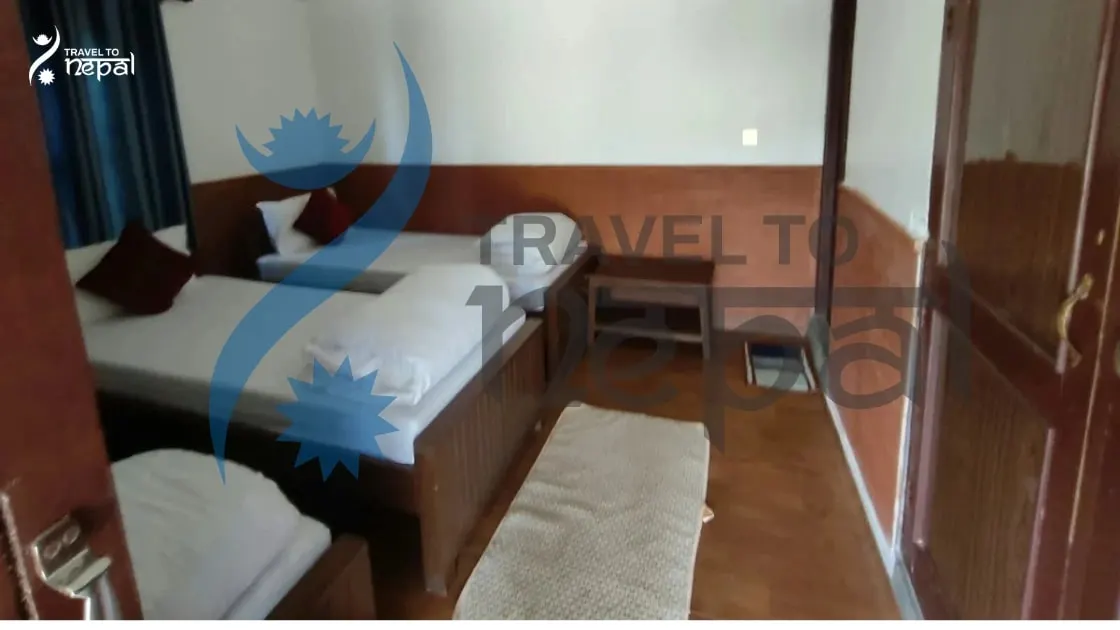
You sleep in family-run teahouses every night on the Manaslu Circuit, and the comfort drops as you climb. Rooms are simple twin rooms with two beds, a mattress, a pillow and a blanket.

Lower villages

Lodges from Machha Khola to Namrung are the most comfortable on the trek. Most have private rooms, and some have attached bathrooms. Hot showers cost NPR 200 to 400, charging costs NPR 200 to 300 per device, and Wi-Fi is slow but works in some lodges. Rooms cost about USD 3 to 7 a night. Namrung has some of the best lodges on the whole circuit.

High villages

In Lho, Samagaon and Samdo, rooms are colder and bathrooms are shared. Hot water is unreliable, and in Samagaon you may only get a cold shower. Charging is often solar, and Samdo has no Wi-Fi. Samagaon has 6 to 8 lodges, while Samdo has only 3 to 4. Rooms cost about USD 7 to 10 a night.

Dharamsala high camp

Dharamsala (4,460 m) has a handful of basic lodges at the foot of Larkya La. Rooms are limited and sometimes dorm-style, toilets are outdoor squat toilets, and there is no shower or Wi-Fi. Beds are tight in October and November, so we book ahead for you.

After the pass

Bimthang has several lodges with shared bathrooms but no hot showers. From Tilje and Dharapani, comfort returns, with full menus, hot showers and Wi-Fi. In Kathmandu, you stay in a hotel.

Good to know

Every teahouse has a warm dining room with a stove, which is where everyone gathers in the evening. Bedrooms are not heated, so bring a warm sleeping bag. NTC gives the best mobile signal along the trail, but it is weak higher up.

*In winter and monsoon, some high lodges close. Check with us before trekking outside the main seasons.

Accommodation/Teahouse, Manaslu Circuit Trek

Food (and cost)

Plan to spend USD 20 to 30 a day on food on the Manaslu Circuit, plus about USD 5 a day for extras like hot showers and charging. Prices rise with altitude, because porters and mules carry every item up the valley.

Food options along the trail

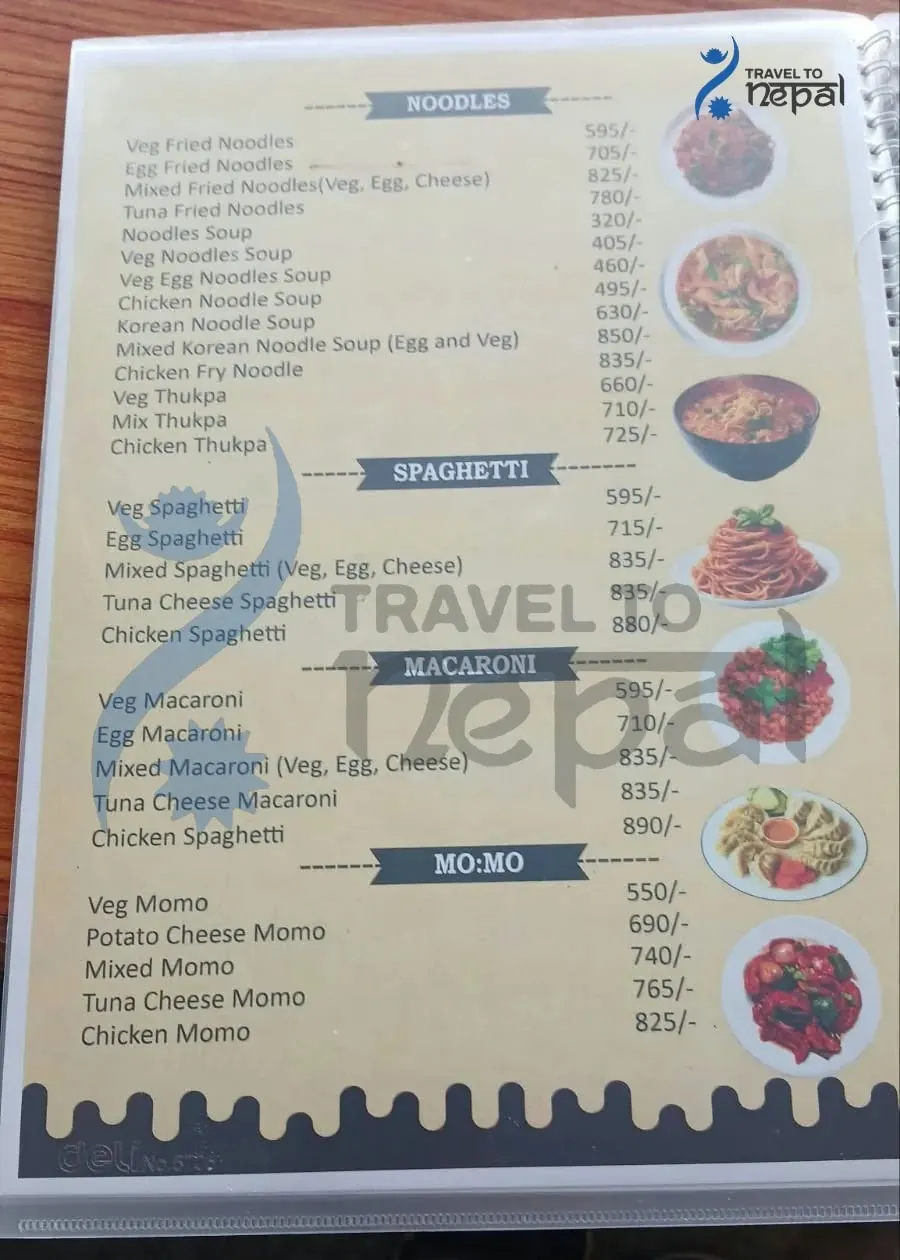
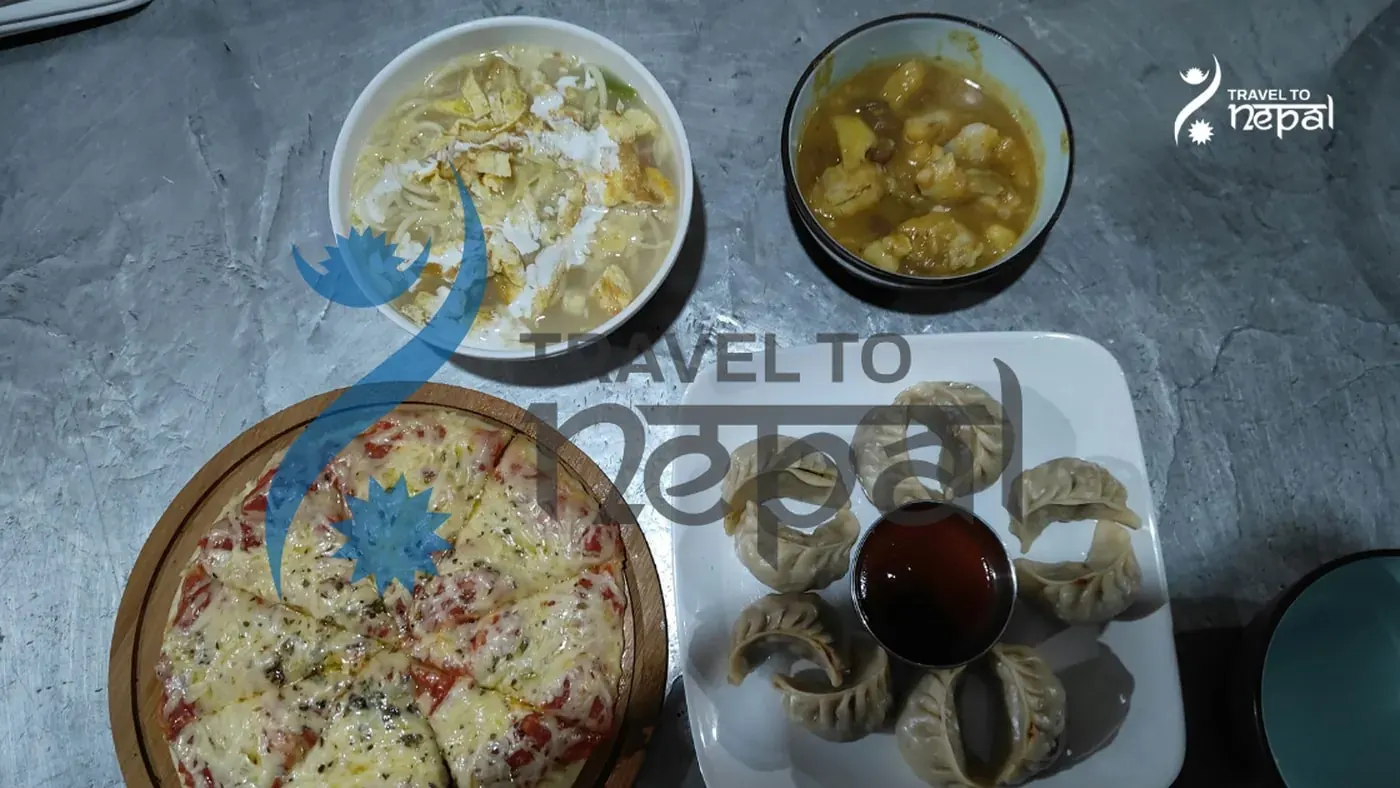
In the lower valley from Machha Khola to Namrung, menus are long, with dal bhat, fried rice, noodles, pasta, Tibetan bread and pancakes. Above Samagaon, menus are shorter, and you mostly eat dal bhat, noodle soup, potatoes, porridge and eggs. After Larkya La, full menus return at Tilje and Dharapani.

Food Menu in Namrung

Image: Food Menu in Namrung

Approximate food and facility prices

  • Meals: about USD 4 to 8 each, rising with altitude

  • Hot shower: about NPR 200

  • Charging: about NPR 200 per device

  • Wi-Fi: about NPR 200 per person

Useful tips

Eat dal bhat for the free refills. Choose vegetarian food above Samagaon, avoid alcohol before the pass, treat your own water and bring snacks from Kathmandu. Carry about USD 375 to 530 in Nepali rupees for 13 days of food, extras and emergency cash. There is no ATM after Arughat.

Food (and cost), Manaslu Circuit Trek

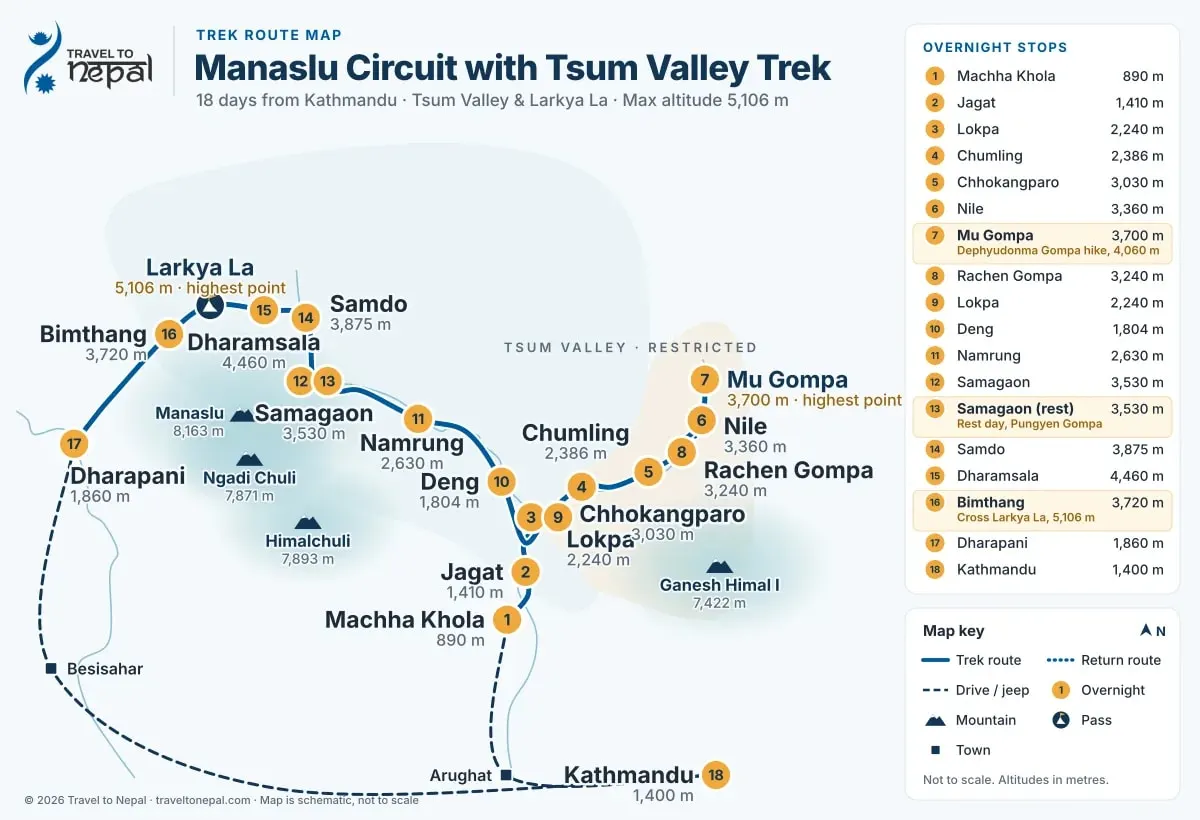
Alternative 18-Day Manaslu Circuit Itinerary with Tsum Valley

The 18-day Manaslu Circuit with Tsum Valley suits trekkers who want more culture and better acclimatization before Larkya La. It adds five days in the hidden Tsum Valley, with its monasteries, mani walls and Tsumba villages, before joining the main circuit at Deng. You need an extra Tsum Valley restricted-area permit, and the total walking distance is 222.7 km.

  • Day 1: Kathmandu to Machha Khola (8–10 hrs drive)

  • Day 2: Machha Khola to Jagat (6–7 hrs)

  • Day 3: Jagat to Lokpa (6–7 hrs)

  • Day 4: Lokpa to Chumling (5–6 hrs)

  • Day 5: Chumling to Chhokangparo (5–6 hrs)

  • Day 6: Chhokangparo to Nile via Milarepa’s Cave (5–6 hrs)

  • Day 7: Nile to Mu Gompa, 3,700 m (3–4 hrs)

  • Day 8: Mu Gompa to Rachen Gompa (4–5 hrs)

  • Day 9: Rachen Gompa to Lokpa (7–8 hrs)

  • Day 10: Lokpa to Deng (5–6 hrs)

  • Day 11: Deng to Namrung (6 hrs)

  • Day 12: Namrung to Samagaon (7–9 hrs)

  • Day 13: Acclimatization day at Samagaon

  • Day 14: Samagaon to Samdo (3–4 hrs)

  • Day 15: Samdo to Dharamsala (4 hrs)

  • Day 16: Dharamsala to Bimthang via Larkya La (9–10 hrs)

  • Day 17: Bimthang to Dharapani (6.5–7.5 hrs)

  • Day 18: Dharapani to Kathmandu (drive)

*Tsum lodges are more basic than on the main circuit, and Mu Gompa is a monastery stay with no menu.

Alternative 18-Day Manaslu Circuit Itinerary with Tsum Valley, Manaslu Circuit Trek

How to prevent Altitude Sickness during the Manaslu Circuit Trek?

Altitude sickness is the main health risk on the Manaslu Circuit, because you sleep above 3,500 m for five nights and cross Larkya La at 5,106 m. Acute mountain sickness (AMS) can affect anyone, whatever their fitness.

How to prevent it

  • Climb gradually: The itinerary adds about 300 to 600 m of sleeping height on most days above Namrung.

  • Climb high, sleep low: On Day 7, hike to Pungyen Gompa (4,000 m) and return to sleep at Samagaon (3,530 m).

  • Drink water: Aim for 3 to 4 litres a day, including tea and soup.

  • Avoid alcohol: Skip alcohol until you are back down at Dharapani.

  • Walk slowly: Keep a pace where you can still talk, especially from Samdo to Dharamsala.

  • Eat well: Carbohydrates like dal bhat and potatoes give your body the energy it needs at height.

  • Diamox: Ask your doctor before the trek whether you should carry or take acetazolamide (Diamox).

  • Know the symptoms: Early signs are headache, nausea, tiredness and poor sleep. Serious signs are confusion, loss of balance and breathlessness at rest. Serious symptoms mean you go down at once.

  • Trust your guide: Your guide checks how you feel every day and will turn back or descend if needed. If you can’t walk down, the guide calls a helicopter from Samagaon or another landing point.

trails in manaslu region, How to prevent Altitude Sickness during the Manaslu Circuit Trek?, Manaslu Circuit Trek

High Altitude Insurance for the Manaslu Circuit Trek

You need travel insurance that covers trekking up to at least 5,106 m, the height of Larkya La. Many standard policies stop at 3,000 m or 4,000 m, which leaves you uncovered on the highest part of the trek.

Your policy should cover

  • Altitude limit: Trekking to at least 5,106 m; a 5,500 m or 6,000 m limit gives you a safe margin.

  • Helicopter rescue: An evacuation from the Manaslu region costs around USD 5,000. Helicopters can land at Samagaon and Philim.

  • Medical and repatriation: Hospital treatment in Kathmandu and, if needed, your flight home.

  • Cancellation and delay: Trip cancellation, flight delays, and extra days caused by weather or landslides.

  • Baggage: Loss or theft of your bags and gear.

Before you buy, check that the policy covers trekking with a guide and has no “mountaineering” exclusion at this height. Send us your policy number and the insurer’s 24-hour emergency phone number before the trek.

High Altitude Insurance for the Manaslu Circuit Trek, Manaslu Circuit Trek

Tipping Tips for the Manaslu Circuit Trek

Tipping your guide and porters is a custom in Nepal, not a rule, and it is a big part of their income.

Suggested tip:

Guide: USD 15 per day

Porter: USD 12 per day

Give tips at the end of the trek, usually at the last dinner in Dharapani or back in Kathmandu. Hand them directly to each person in an envelope, in Nepali rupees or US dollars.

Manaslu Circuit Trek Difficulty

The Manaslu Circuit is a challenging trek, grade 4, because of the altitude, the long pass day and the remote trail. You don’t need technical climbing skills, but you do need good fitness.

Difficulty by trekking stage

  • Machha Khola (890 m) to Namrung (2,630 m), Days 2–4: 6 to 8 hours a day on gorge trails with steep stone steps. Moderate.

  • Namrung (2,630 m) to Samdo (3,875 m), Days 5–8: shorter days, but the altitude starts to slow you down. Moderate to hard.

  • Samdo (3,875 m) to Bimthang (3,720 m) via Larkya La (5,106 m), Days 9–10: the hardest stage, with a 9 to 10 hour pass day and a steep descent. Hard.

  • Bimthang (3,720 m) to Dharapani (1,860 m), Days 11–12: long downhill through forest. Moderate.

What makes the Manaslu Circuit Trek challenging?

  • High altitude: Five nights above 3,500 m and a pass at 5,106 m.

  • Long pass day: A pre-dawn start and 9 to 10 hours of walking at height.

  • Remote trail and basic lodges: Simple rooms, shared toilets and limited power above Samagaon.

  • Cold: Nights below −7 °C at Dharamsala, even in autumn.

  • Weather and landslides: Monsoon rain and floods can damage the Budhi Gandaki trail, as happened in September and October 2026.

If you can walk 6 hours with a daypack on hilly ground, two days in a row, you can manage this trek with training and the built-in rest day.

Manaslu Circuit Trek cost

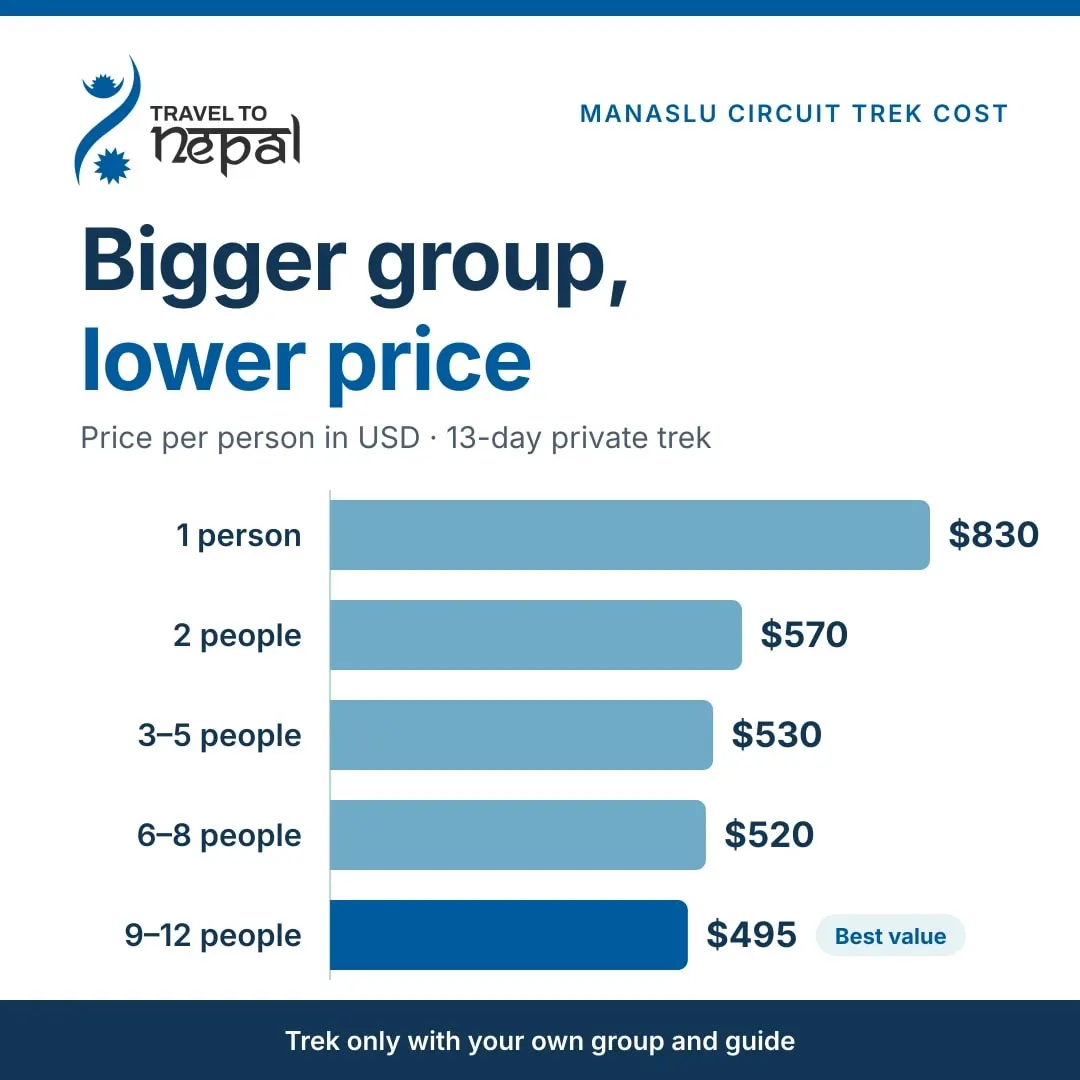
The Manaslu Circuit Trek costs USD 495 to 830 per person for 13 days, depending on your group size. Every trek is private, so you trek only with your own group and guide.

Price by group size

Group size

Price per person (USD)

1 person

830

2 people

570

3 to 5 people

530

6 to 8 people

520

9 to 12 people

495

Daily spending on the trail

  • Basic budget: USD 15 a day for local food like dal bhat, plus USD 5 for extras

  • Comfort budget: USD 25 a day for larger appetites and non-local food, plus USD 5 for extras

Other costs to plan for

Cost

Price

Notes

Meals on the trail

USD 195 to 325

13 days at USD 15–25 a day

Lodge extras

about USD 65

Hot showers, charging, Wi-Fi

Emergency cash

USD 50 to 75

2 to 3 extra days

Tips

Your choice

See tipping above

Travel insurance

Varies

Must cover 5,106 m and helicopter rescue

Nepal visa

Varies

Check the current fee

Sample total cost per person

Item

Group of 4

Solo trekker

Trek price

USD 530

USD 830

Food, extras and emergency cash

USD 310 to 465

USD 310 to 465

Total (before visa, insurance and tips)

USD 840 to 995

USD 1,140 to 1,295

Withdraw all your cash in Kathmandu. The last ATM on the route is at Arughat, and it can run out of money.

Manaslu Circuit Trek permits

You need three permits and one local fee for the Manaslu Circuit Trek: the Manaslu Restricted Area Permit, the Manaslu Conservation Area Permit (MCAP), the Annapurna Conservation Area Permit (ACAP) and the Chumnubri Rural Municipality fee.

Manaslu permit costs

Permit

Season or days

Foreigners

SAARC nationals

Manaslu Restricted Area Permit

Sep to Nov

USD 100 for the first 7 days, then USD 15 per day

Same as foreigners

Manaslu Restricted Area Permit

Dec to Aug

USD 75 for the first 7 days, then USD 10 per day

Same as foreigners

Manaslu Conservation Area Permit (MCAP)

Whole trek

NPR 3,000

NPR 1,000

Annapurna Conservation Area Permit (ACAP)

Whole trek

NPR 3,000

NPR 1,000

Chumnubri Rural Municipality fee

Whole trek

NPR 1,000

NPR 200

Where and how to get the permits

  • Registered agency only: The restricted-area permit is issued through a government-registered trekking agency on the Department of Immigration’s online system.

  • Group size: Since 22 March 2026, solo trekkers can get the permit. You no longer need a second trekker.

  • Licensed guide: A licensed guide must trek with you, with a maximum of 7 trekkers per guide.

  • Documents: Send us a scan of your passport and visa, plus a passport photo.

  • Buy ACAP before the trek: ACAP bought on the trail costs double.

Do you need a TIMS card?

No, you don’t need a TIMS card for the Manaslu Circuit Trek. Your restricted-area permit, MCAP and ACAP are the documents checked on the trail.

*Your guide shows your permits at Jagat, Philim, Namrung and Dharapani. Keep your passport in your daypack.

Manaslu Circuit Trek permits, Manaslu Circuit Trek

Manaslu Circuit Route

Drive in (Day 1): Kathmandu (1,400 m) → Arughat (600 m) → Machha Khola (890 m)

Trek (Days 2–12): Machha Khola (890 m), trek starts → Tatopani (990 m) → Jagat (1,410 m) → Philim (1,570 m) → Deng (1,804 m) → Ghap (2,160 m) → Namrung (2,630 m) → Lho (3,180 m) → Shyala (3,520 m) → Samagaon (3,530 m) → Samdo (3,875 m) → Dharamsala (4,460 m) → Larkya La (5,106 m) → Bimthang (3,720 m) → Gho → Tilje (2,300 m) → Dharapani (1,860 m), trek ends

Drive out (Day 13): Dharapani (1,860 m) → Besisahar (760 m) → Kathmandu (1,400 m)

Manaslu Circuit Trek latest update (November 2026)

Yes, the Manaslu Circuit is open for the autumn 2026 season, and groups have been crossing Larkya La since the main trail reopened on 21 October 2026. Two floods hit the Budhi Gandaki valley this autumn, so check the latest status with us before you book.

  • Larkya La: Open. Expect snow and colder mornings from late November.

  • Access road to Machha Khola: Buses have run again since 16 October 2026, after flood damage on 11–12 October. A new temporary bridge is in place at Arughat.

  • Namrung crossing: The 6 September 2026 flood destroyed the bridges near Namrung. Trekkers now use a temporary log crossing at Suksum.

  • Exit road from Dharapani: The jeep road to Besisahar is rough but in use.

  • Lodges at Dharamsala: Running in season with limited beds; we book ahead.

  • Weather and night temperatures: November is clear and dry, with nights well below freezing at Samdo and Dharamsala.

  • Permit rule changes: Solo trekkers can get restricted-area permits since 22 March 2026, through a registered agency and with a licensed guide.

*Trail reports come from local operators and news. We confirm conditions with our guides before every departure.

Route through 2 regions

Regions on the Manaslu Circuit Route

This trek starts in Manaslu Region and ends in Annapurna Region. Each region has its own landscape, permits and best season.

  1. Manaslu Region
  2. Annapurna Region
  1. Starts here

    Region 1: Manaslu Region

    Days 1–10

    Discover the beauty of the Manaslu Conservation Area, from Mount Manaslu and glacial valleys to turquoise rivers, and remote villages.

    Highest point
    8,163 m
    Difficulty
    Challenging
    Permits
    Manaslu RAP, MCAP, ACAP, Tsum RAP
    Explore the Manaslu Region region
  2. Ends here

    Region 2: Annapurna Region

    Days 11–13

    Gurung hill villages, the Annapurna Sanctuary and Tibetan-style Manang and Nar Phu, all inside Nepal's first and largest conservation area.

    Highest point
    8,091 m
    Difficulty
    Easy–challenging
    Permits
    ACAP + Nar Phu RAP (
    Explore the Annapurna Region region

Best months along the route

  • Best
  • Possible
  • Not ideal
RegionJanFebMarAprMayJunJulAugSepOctNovDec
Manaslu RegionNot idealNot idealBestBestBestNot idealNot idealNot idealBestBestBestPossible
Annapurna RegionPossiblePossibleBestBestBestPossiblePossiblePossiblePossibleBestBestPossible
Whole routeNot idealNot idealBestBestBestNot idealNot idealNot idealPossibleBestBestPossible

Each month on the route is only as good as its worst region. The start-date picker uses the whole route's months.

Frequently asked questions for the Manaslu Circuit Trek

Route and duration

How long is the Manaslu Circuit Trek?

The Manaslu Circuit Trek takes 13 days from Kathmandu to Kathmandu. You walk 148.7 km over 11 days, plus one acclimatization day at Samagaon and two road days. Most walking days are 4 to 7 hours, and the pass day over Larkya La takes 9 to 10 hours.

How high is Larkya La Pass?

Larkya La is 5,106 m (16,752 ft) high, and it is the highest point of the Manaslu Circuit. You cross it on Day 10, starting from Dharamsala (4,460 m) at 3 to 4 am. The climb takes 4 to 5 hours, and the full day to Bimthang takes 9 to 10 hours.

Where does the Manaslu Circuit Trek start and end?

The trek starts at Machha Khola (890 m) in Gorkha district and ends at Dharapani (1,860 m) in Manang. You drive 8 to 10 hours from Kathmandu to Machha Khola on Day 1, and drive back via Besisahar on Day 13.

Is the Manaslu Circuit better than the Annapurna Circuit?

The Manaslu Circuit is better if you want quieter trails and a more remote experience. It sees far fewer trekkers and has less road traffic than the Annapurna Circuit. The Annapurna Circuit has more lodge options and is easier to trek on a flexible budget.

Permits and guides

What permits do I need for the Manaslu Circuit Trek?

You need three permits and one local fee for the Manaslu Circuit Trek. These are the Manaslu Restricted Area Permit (RAP), the Manaslu Conservation Area Permit (MCAP), the Annapurna Conservation Area Permit (ACAP) and the Chumnubri Rural Municipality fee. Your trekking agency arranges all of them before you leave Kathmandu.

Can I do the Manaslu Circuit Trek solo or without a guide?

You can trek the Manaslu Circuit solo, but not without a guide. Since 22 March 2026, a single trekker can get the restricted-area permit, as long as it is booked through a registered agency. A licensed guide must trek with you the whole way.

How much is the Manaslu restricted area permit?

The Manaslu Restricted Area Permit costs USD 100 for the first 7 days, then USD 15 a day, from September to November. From December to August, it costs USD 75 for the first 7 days, then USD 10 a day. You also need MCAP (NPR 3,000), ACAP (NPR 3,000) and the Chumnubri fee (NPR 1,000).

Do I need a TIMS card for the Manaslu Circuit?

No, you don’t need a TIMS card for the Manaslu Circuit Trek. The restricted-area permit, MCAP and ACAP are the documents checked on the trail.

Do I need travel insurance for the Manaslu Circuit Trek?

Yes, you need travel insurance that covers trekking up to 5,106 m and helicopter rescue. Remote areas like Larkya La can only be reached by helicopter in an emergency. Most agencies ask for proof of insurance before the trek starts.

Season and weather

What is the best month for the Manaslu Circuit Trek?

October is the best month for the Manaslu Circuit Trek, followed by November, April and March. These months bring clear skies and an open pass. Nights at Dharamsala still drop to about −7 °C in October, so bring a warm sleeping bag.

Is the Manaslu Circuit Trek open now?

Yes, the Manaslu Circuit is open for autumn 2026, and groups have crossed Larkya La since 21 October 2026. Floods in September and October damaged bridges and roads, so check our latest update section or contact us before booking.

Can I do the Manaslu Circuit Trek in winter or monsoon?

You can trek the Manaslu Circuit in winter or monsoon, but both seasons bring extra challenges. Heavy snow often closes Larkya La from late December to February. The monsoon (June to August) brings rain, landslides and leeches on the lower trail.

Difficulty and health

Is the Manaslu Circuit harder than the Annapurna Circuit?

The Manaslu Circuit is more remote than the Annapurna Circuit, but its pass is lower. Larkya La is 5,106 m, while Thorong La on the Annapurna Circuit is 5,416 m. Manaslu feels harder because of basic lodges above Samagaon, a long pass day and a required guide.

Can beginners do the Manaslu Circuit Trek?

Fit beginners can do the Manaslu Circuit Trek with good training and a guide. Prepare with 2 to 3 months of hiking, stairs or cardio. The acclimatization day at Samagaon and the buffer day after the pass give you time to adjust.

How difficult is the Manaslu Circuit Trek?

The Manaslu Circuit is a moderate to challenging trek because of its long walking days and high altitude. The hardest day is the crossing of Larkya La Pass, which takes 9 to 10 hours. You don’t need climbing skills, but you do need good fitness and stamina.

Money and facilities

Are there ATMs and Wi-Fi on the Manaslu Circuit?

The last ATM is at Arughat, before the trek starts, so carry all your cash from Kathmandu. Wi-Fi is paid and slow in lower villages like Machha Khola, Jagat and Namrung. There is no Wi-Fi at Samdo, Dharamsala or Bimthang.

How much does the Manaslu Circuit Trek cost?

The 13-day Manaslu Circuit Trek costs USD 495 to 830 per person, depending on group size. A group of 3 to 5 pays USD 530 each. Add USD 20 to 30 a day for food and about USD 5 a day for extras.

Fast reply · local operator

Ready for the Himalaya?

Book the Manaslu Trek with us

Get a personal itinerary, packing advice and a confirmed price for your group, straight from our Kathmandu team.

Send my request by email

Nothing is stored on this website.

Explore more of the Himalaya

Similar trekking options in Nepal

Treks planned with you and led by local guides.

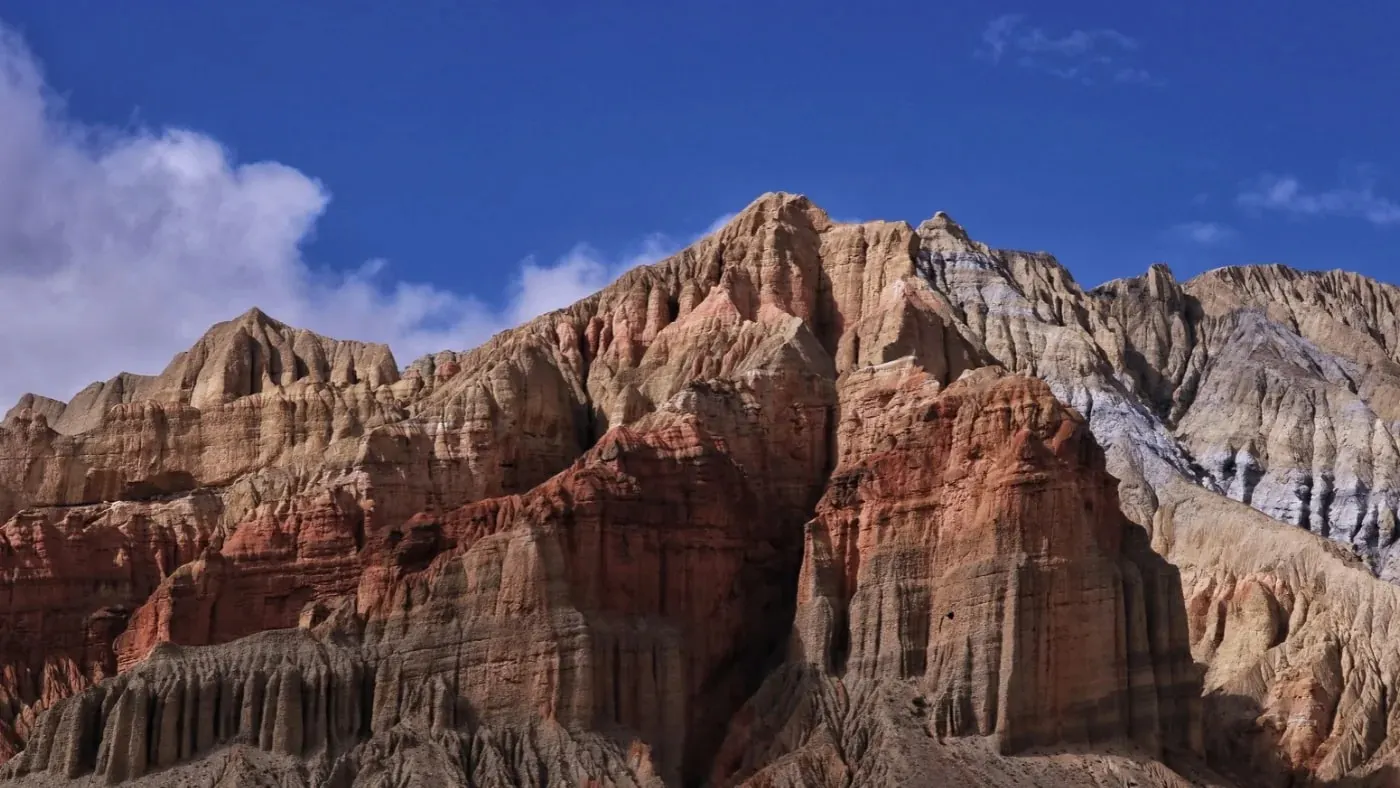
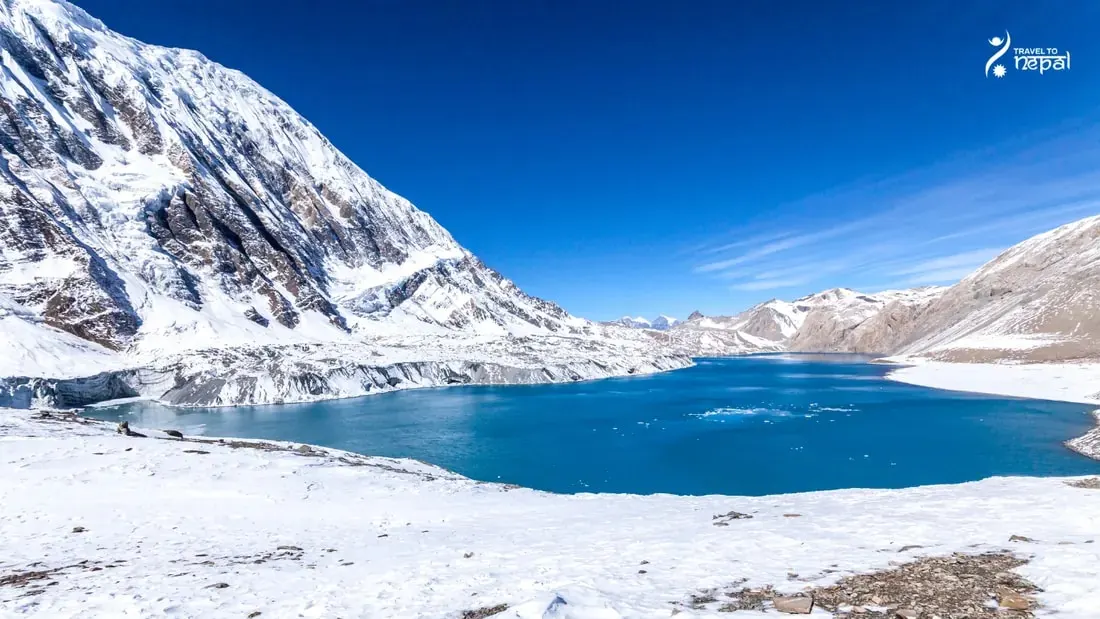
  • Tilicho Lake, Annapurna Circuit Trek with Tilicho LakeAnnapurna Region → Mustang Region

    13 days · Challenging

    Annapurna Circuit Trek with Tilicho Lake

    The classic loop over Thorong La (5,416 m), from green Marsyangdi valleys to the dry hills of Mustang.

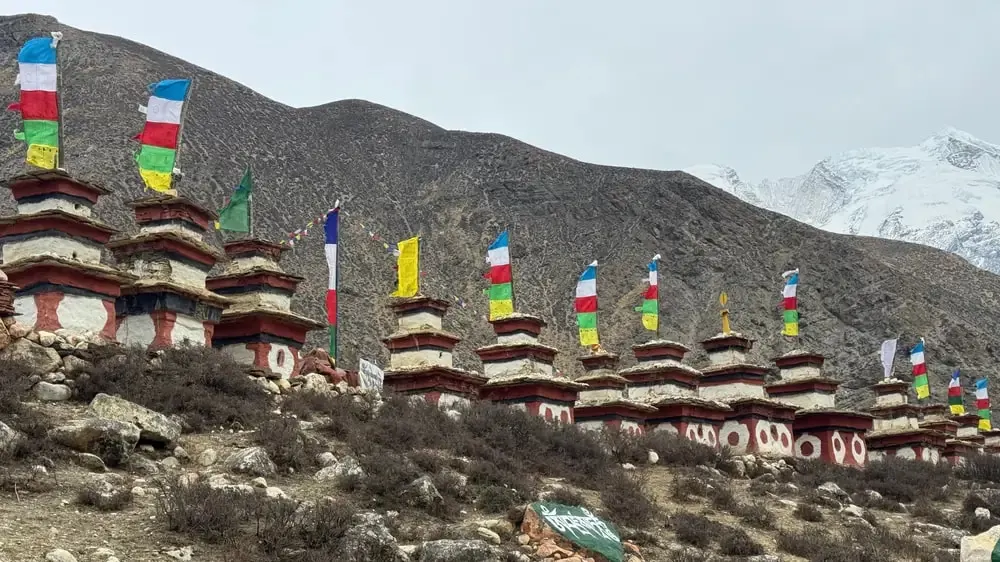
  • Chortens in Nar Phu Valley, Nar Phu Valley Trek 10 DaysAnnapurna Region

    10 days · Challenging

    Nar Phu Valley Trek 10 Days

    A 10-day restricted-area trek to the Tibetan Buddhist villages of Nar and Phu in Manang, crossing Kang La Pass (5,320 m) to the Annapurna Circuit.

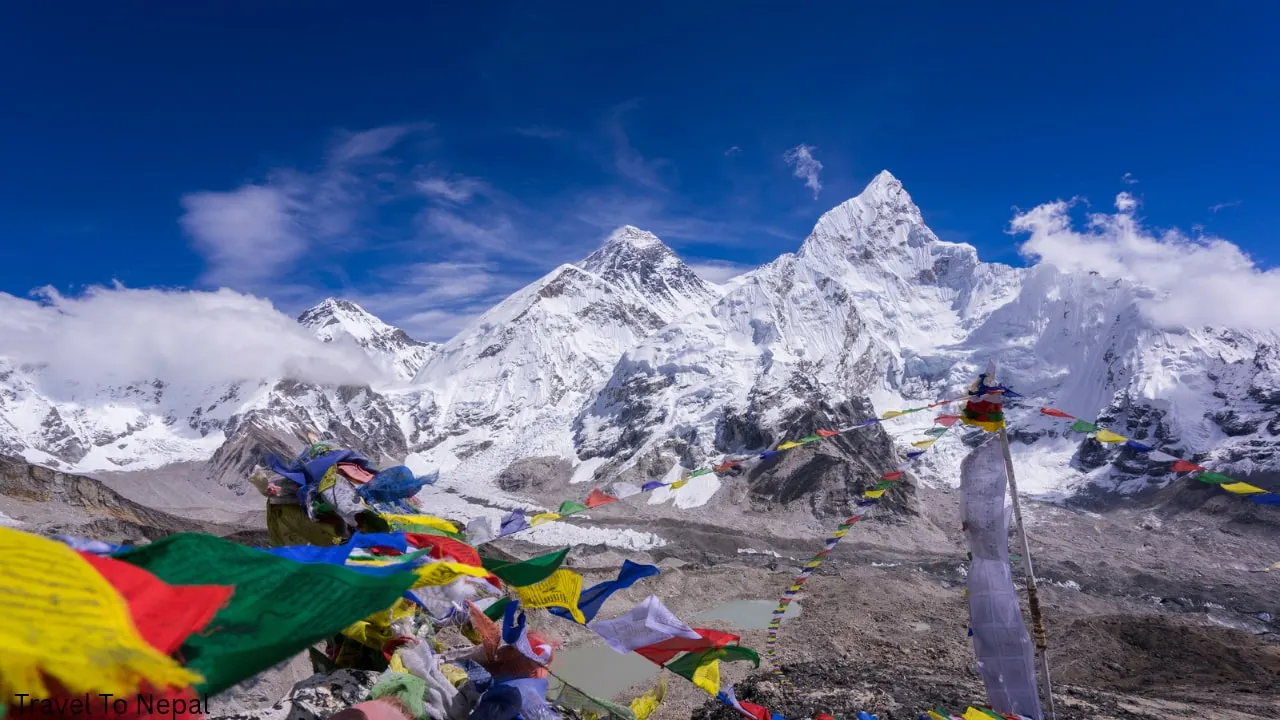
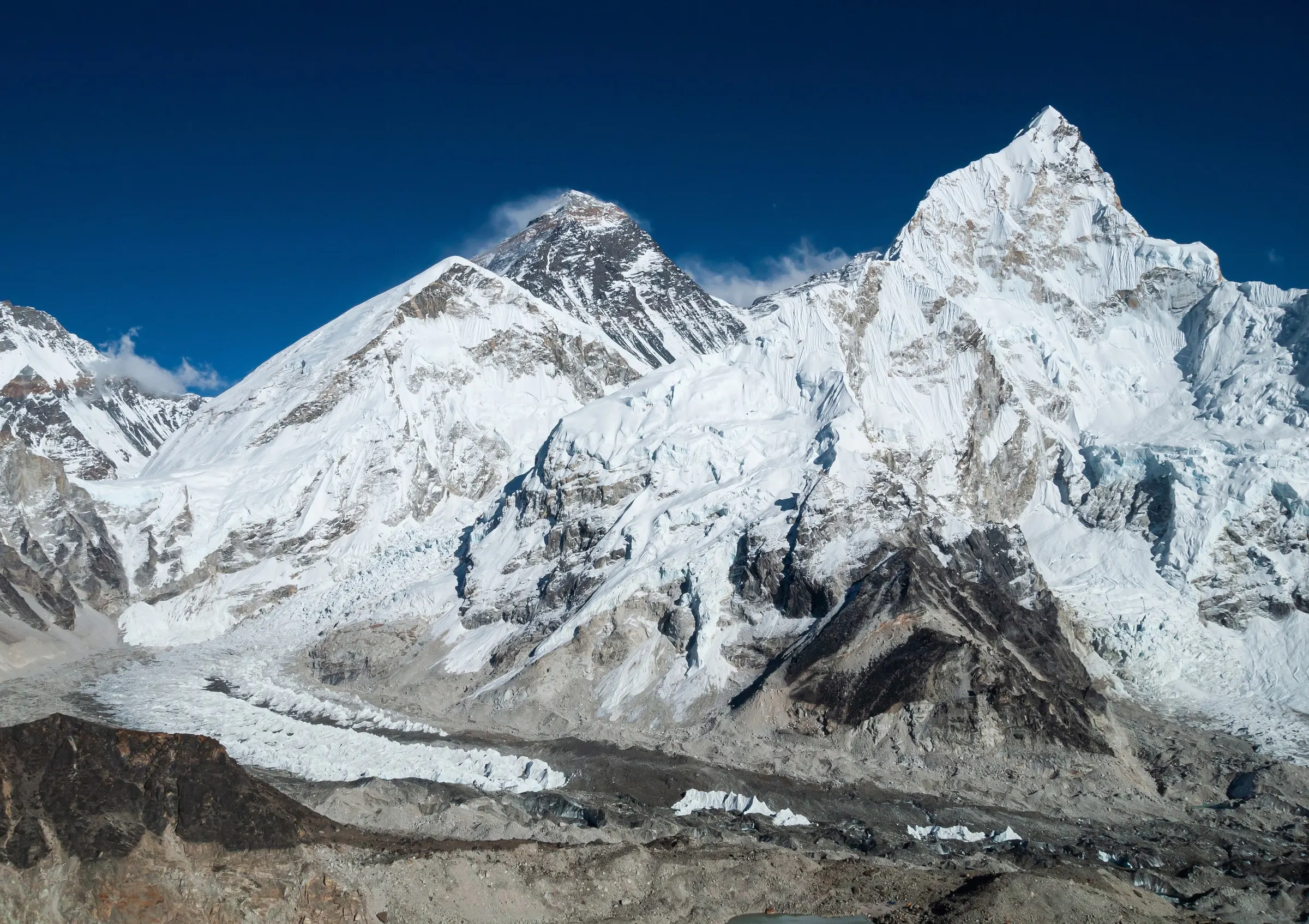
  • Everest, Nuptse and the Khumbu Glacier, Everest Base Camp TrekEverest Region

    14 days · Challenging

    Everest Base Camp Trek

    Sherpa villages, Tengboche monastery and a sunrise on Kala Patthar facing Everest.

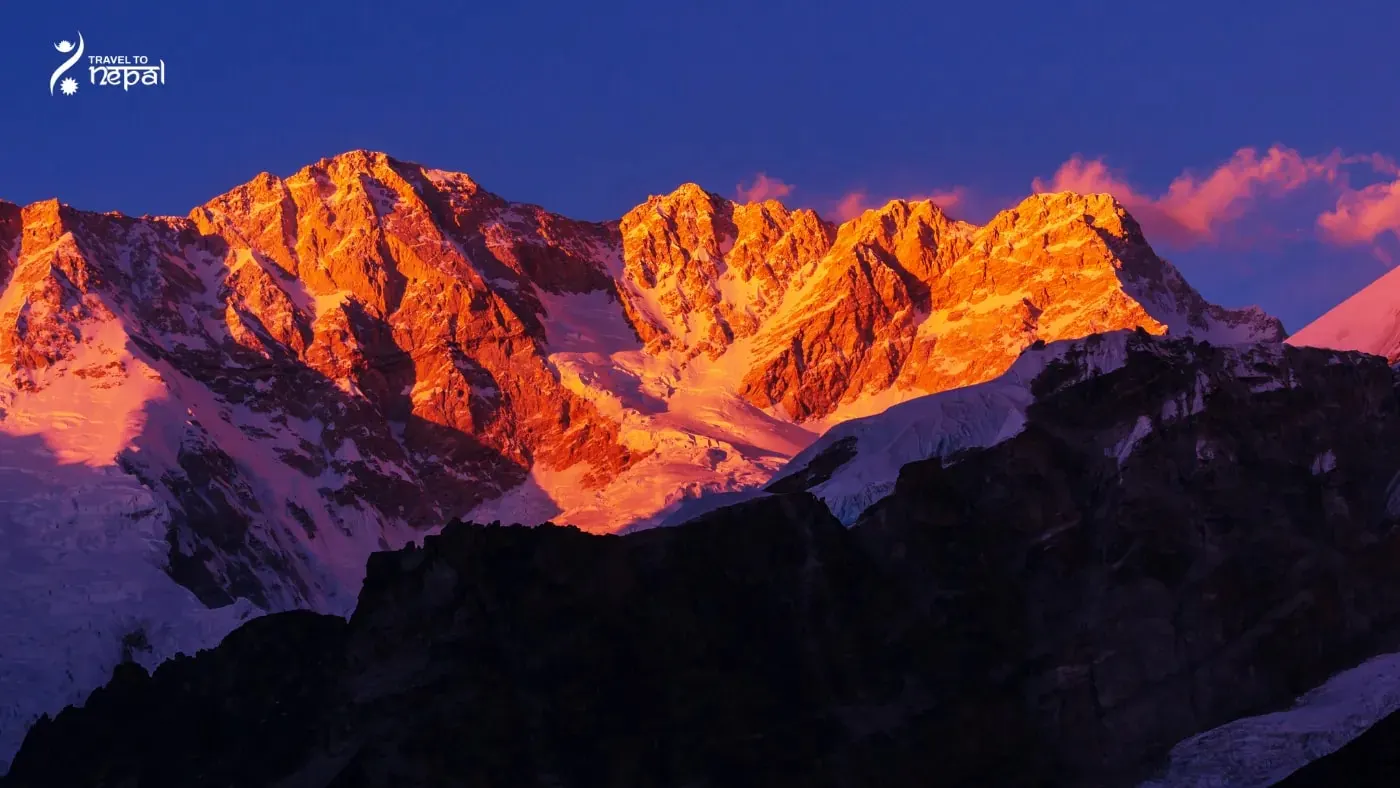
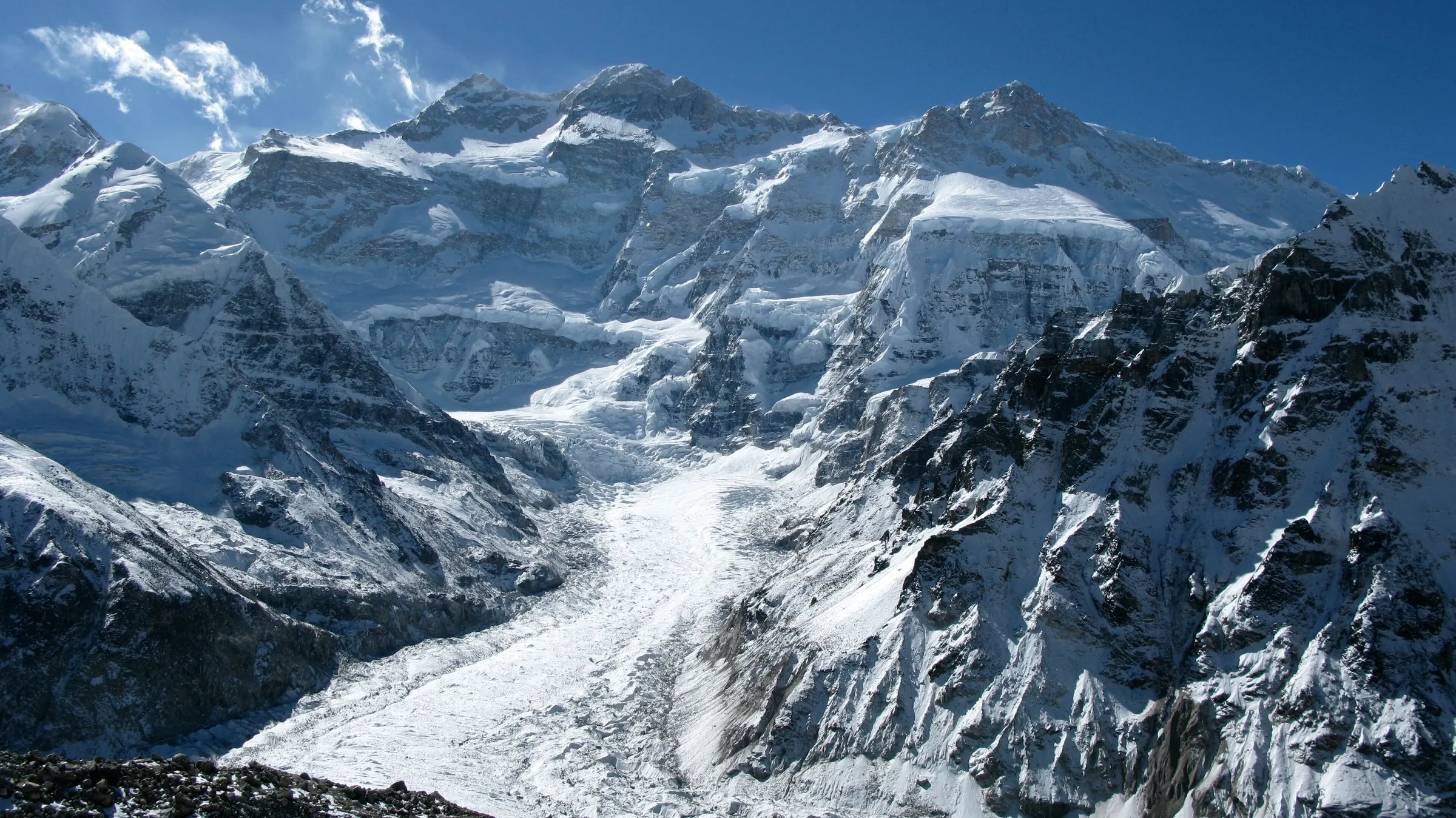
  • Kanchenjunga from Pangpema, Kanchenjunga Base Camp TrekKanchenjunga Region

    22 days · Strenuous

    Kanchenjunga Base Camp Trek

    Both base camps of the world's third-highest mountain, on a long, wild trek in far-east Nepal.

Sign up for our newsletter

Seasonal trail updates, packing guides and new treks, about once a month.

We send a confirmation email first. Unsubscribe any time.

From$530