Government-licensed trekking agency

Travel To Nepal

2026/2027 season open · start on any date you choose

Everest Base Camp Trek 14 Days (Itinerary, Cost, Complete Guide)

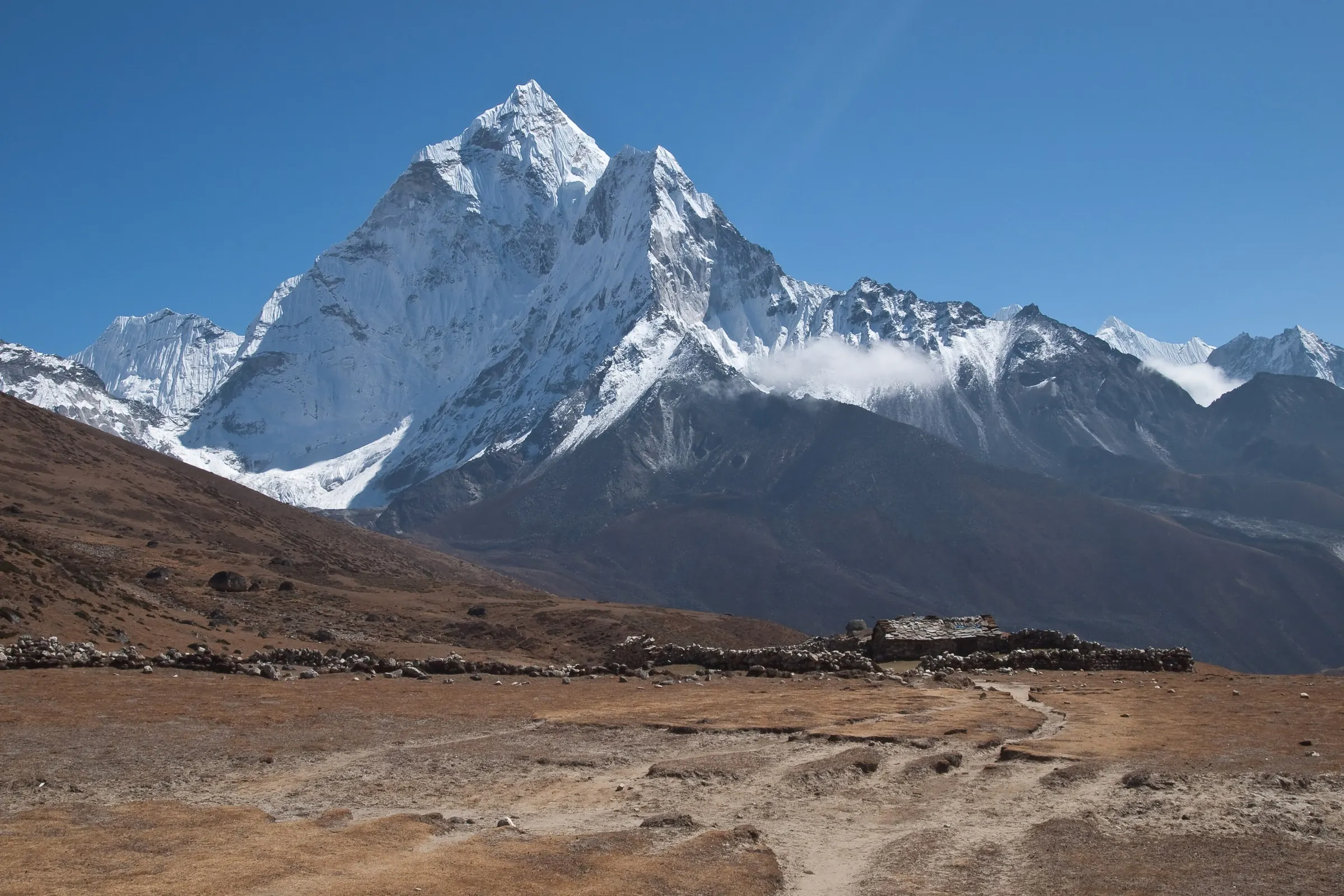
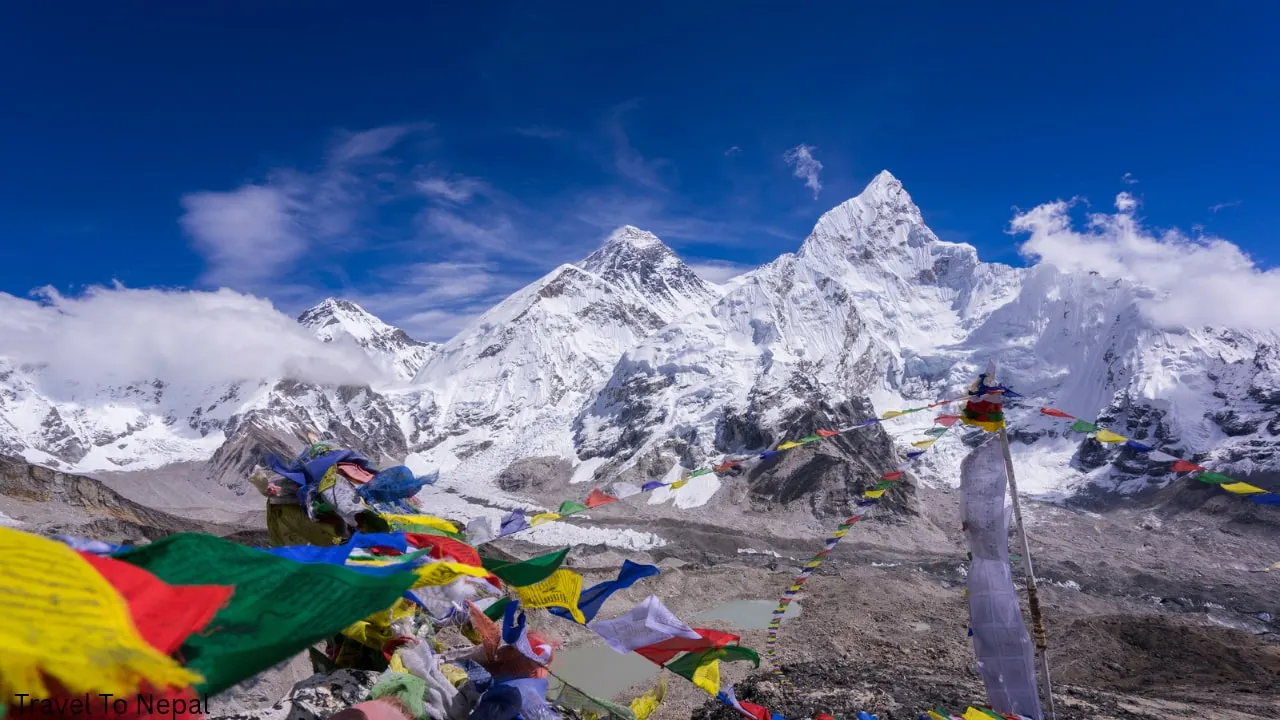
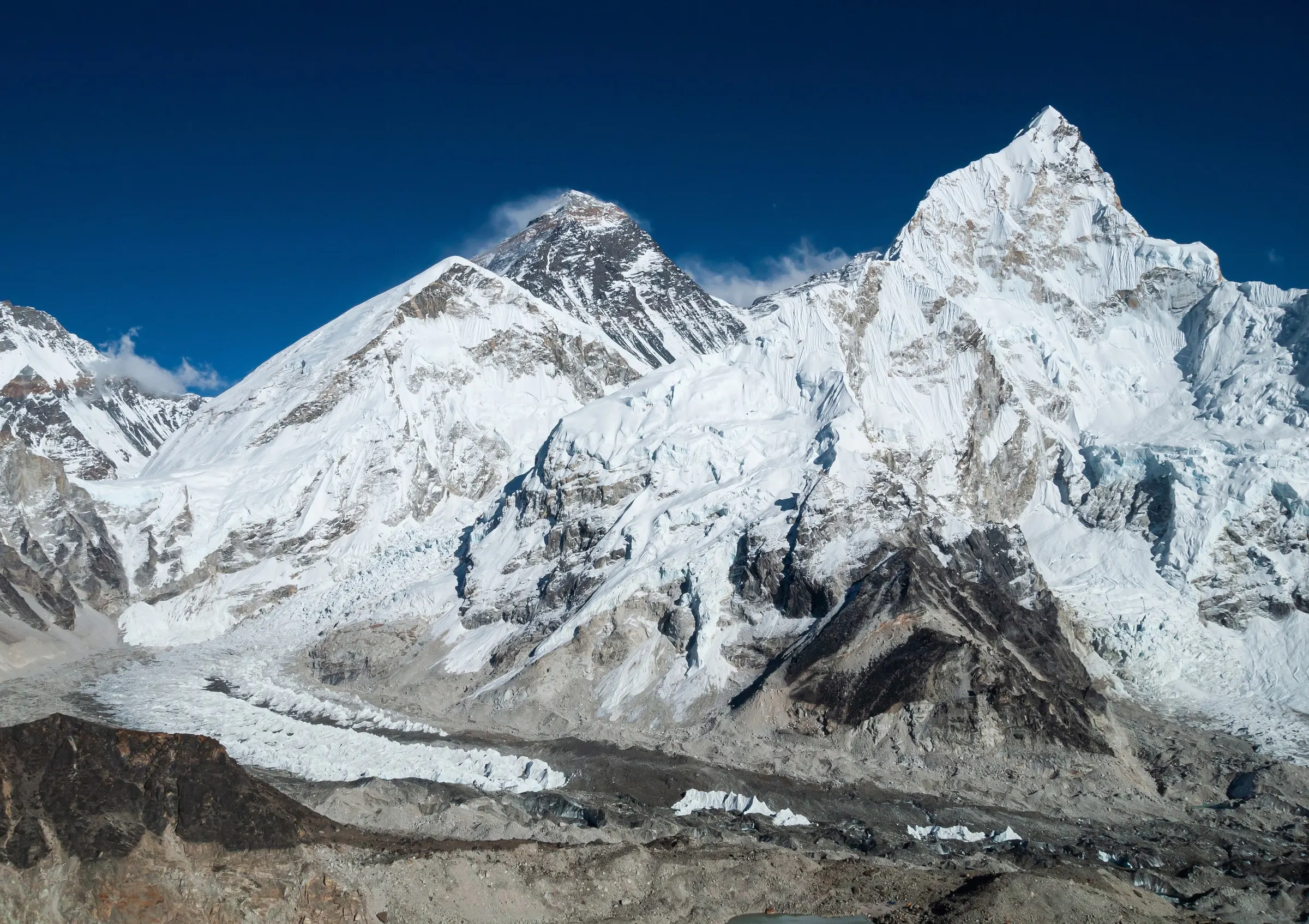
Everest, Nuptse and the Khumbu Glacier, Everest Base Camp Trek
  • Two acclimatisation days
  • Sherpa guide-led
  • Kala Patthar sunrise

Introduction

The Everest Base Camp Trek is the classic walk to the foot of the highest mountain on Earth. A short mountain flight lands you at Lukla (2,860 m), and from there the trail follows the Dudh Koshi river to Namche Bazaar, the Sherpa capital, and on past the monastery at Tengboche into the high valleys below Lhotse and Ama Dablam.

Trip overview and key specifications

Verified route 2026/2027

  • Start / finish
    Kathmandu / Lukla
  • Total distance
    ~130 km / 81 miles
  • Daily walking
    5 to 7 hours a day
  • Region
    Everest Region
  • Country
    Nepal
  • Duration
    14 days
  • Difficulty
    Challenging
  • Max. altitude
    5,545 m / 18,192 ft
  • Best season
    Mar–May, Oct–Nov
  • Accommodation
    Teahouse and hotel
  • Transport
    Flight to Lukla
  • Activity
    Trekking / hiking

Our heritage and roots

Our story

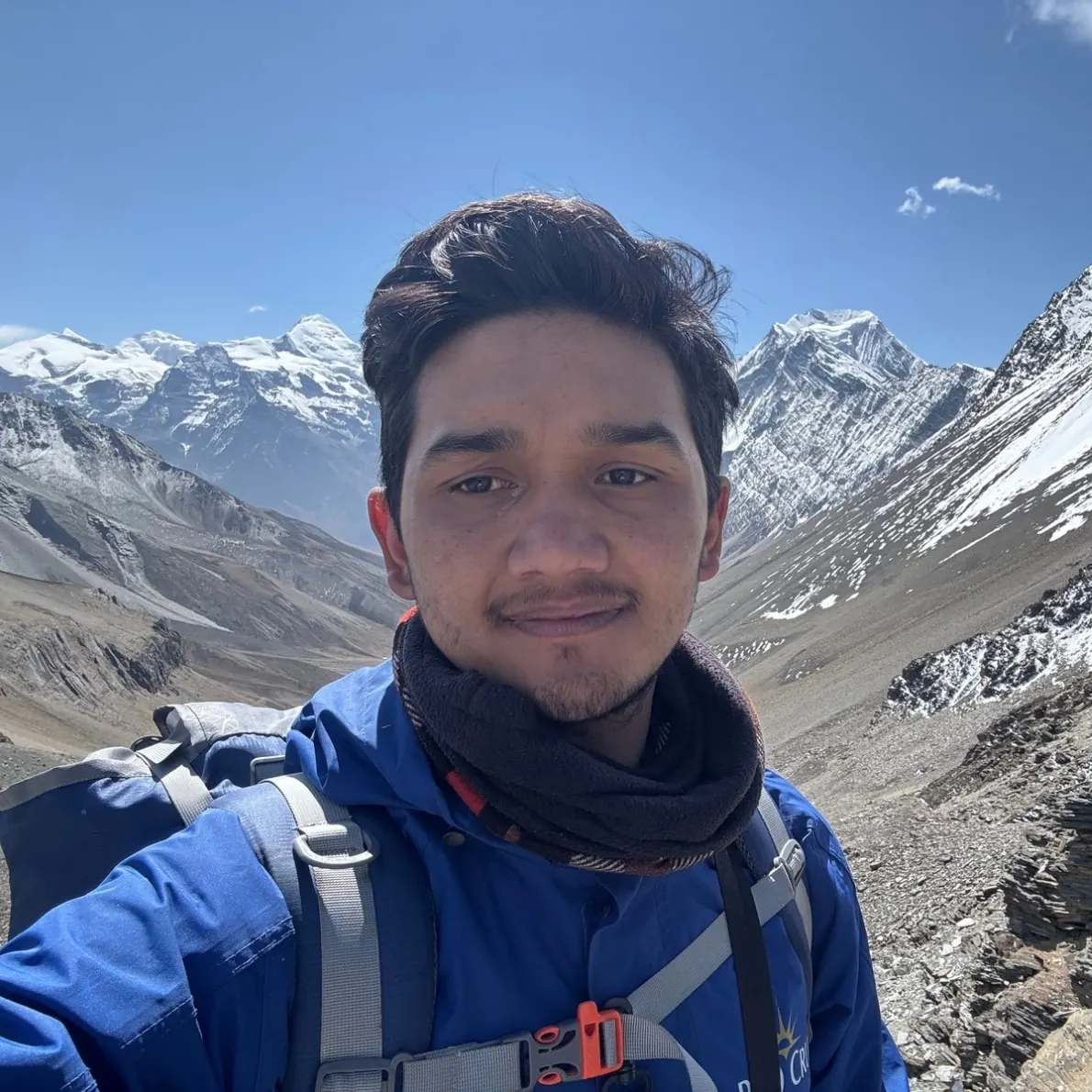
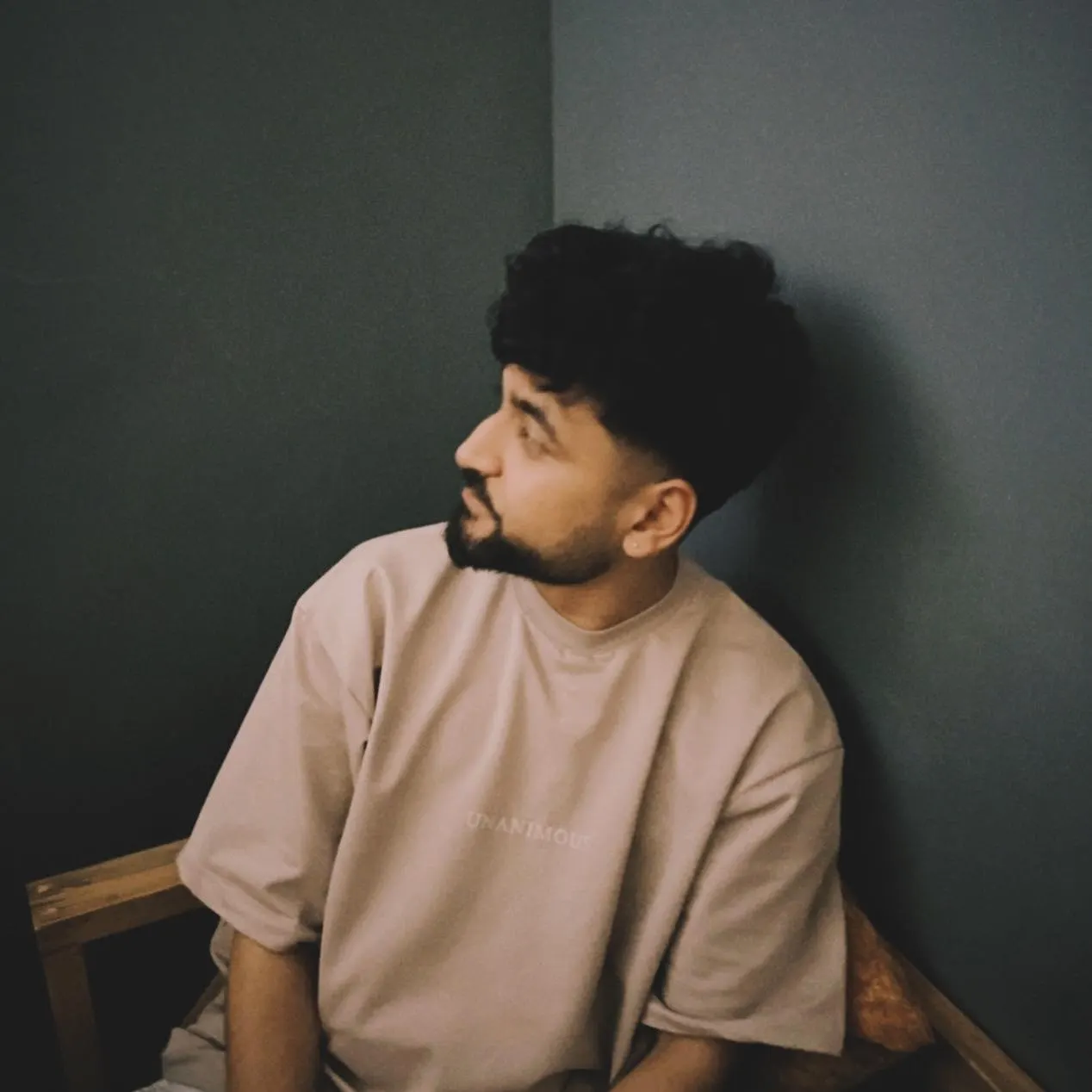
Born and raised in the mountains of Nepal, our founder grew up walking Himalayan trails with the elders of his village. That lifelong respect for the mountains became the foundation of Travel To Nepal.

Sandip KshetriFounder and lead trek director

Read our story

Do you have any specific questions that you want to ask us personally?

Message us on WhatsApp or send us an email. Either I or my team will personally answer your questions and make sure all your doubts are answered properly.

  • Prompt 1-to-1 local advice
  • Free itinerary discussion
  • Fast reply on WhatsApp

Trek milestones

Everest Base Camp Trek highlights and why you will love this trek

  • Kala Patthar sunrise (5,545 m / 18,192 ft)

    The classic viewpoint above Gorak Shep, with Everest, Nuptse and Lhotse lit up in front of you.

  • Everest Base Camp (5,364 m)

    Stand beside the Khumbu Glacier and the Icefall, where expeditions camp in spring.

  • Namche Bazaar

    The Sherpa capital, with bakeries, a Saturday market and your first view of Everest from the hill above town.

  • Tengboche Monastery (3,867 m)

    The largest monastery in the Khumbu, with Ama Dablam rising straight behind it.

  • Sherpa culture

    Prayer flags, mani walls, chortens and villages where climbing has shaped every family's story.

  • The mountain flight to Lukla

    A short, spectacular flight into one of the world's most famous mountain airstrips.

Trekker suitability guide

Is this trek for you?

An honest checklist from our guides to help you decide if Everest Base Camp is the right trek for you.

Suitability checklist

  • Physical demands and fitness: 5 to 7 hours of walking a day for 11 days with a light daypack. You need good stamina for long uphill days.

  • Altitude and acclimatization: You sleep at 5,164 m at Gorak Shep and climb to 5,545 m. Two rest days help, but altitude is the real challenge.

  • Technical skill required: None. Rocky trails, stone steps and moraine. No ropes, crampons or climbing gear in the trekking seasons.

  • Trail comfort and accommodation: Teahouses with twin rooms and warm dining rooms. Simpler and colder higher up, with shared toilets.

  • Mental resilience: Expect cold nights, poor sleep at altitude and possible flight delays at Lukla. A calm mind helps.

  • Medical conditions: With heart or lung conditions or severe asthma, speak to your doctor before booking a trek this high.

Unsure about your fitness or readiness?Our lead trek director gives a free, no-obligation preparation check.

Step-by-step route

14-day day-by-day itinerary

Fourteen days from Kathmandu to the foot of Everest and back. You fly to Lukla, climb slowly through Namche Bazaar and Tengboche with rest days at Namche and Dingboche, reach Everest Base Camp, and climb Kala Patthar at sunrise before walking back down the Khumbu valley. Every night on the trail is in a family-run teahouse.

  1. Day 1: Arrive in Kathmandu (1,400 m), welcome and trip briefing

    Airport pickup · Gear check in Thamel

    Arrival · 1,400 m

    Our team meets you at Tribhuvan International Airport and takes you to your hotel. In the evening we check your gear, sort the permits and confirm your Lukla flight.
  2. Day 2: Fly to Lukla (2,860 m) and trek to Phakding (2,610 m)

    Mountain flight · Dudh Koshi valley

    3–4 hrs · up to 2,860 m · sleep 2,610 m

    An early flight to Lukla, from Kathmandu or from Ramechhap in the busy seasons. A short, gentle walk downhill along the river brings you to Phakding for the night.

  3. Day 3: Phakding to Namche Bazaar (3,440 m)

    Hillary Bridge · First view of Everest

    6–7 hrs · 3,440 m

    Cross the river several times on suspension bridges and enter Sagarmatha National Park at Monjo. The long climb after the high Hillary Bridge ends in Namche Bazaar.

  4. Day 4: Acclimatisation day in Namche, hike to the Everest View Hotel (3,880 m)

    Rest day · Khumjung village

    3–4 hrs · up to 3,880 m · sleep 3,440 m

    Climb high and sleep low: a morning hike above town for views of Everest and Ama Dablam, with a visit to Khumjung if you feel strong. The afternoon is free in Namche.

  5. Day 5: Namche Bazaar to Tengboche (3,867 m)

    Balcony trail · Tengboche Monastery

    5–6 hrs · 3,867 m

    A beautiful balcony trail with Ama Dablam ahead, then down to the river at Phunki Tenga and a steady climb through forest to Tengboche. Visit the monastery in the afternoon.

  6. Day 6: Tengboche to Dingboche (4,410 m)

    Pangboche village · Above the tree line

    5–6 hrs · 4,410 m

    Through rhododendron forest to Pangboche and above the tree line into the Imja valley. Dingboche sits among stone-walled fields below Ama Dablam and Island Peak.

  7. Day 7: Acclimatisation day in Dingboche, hike up Nangkartshang (about 5,080 m)

    Rest day · Views of Makalu and Lhotse

    4–5 hrs · up to 5,080 m · sleep 4,410 m

    A slow climb up the ridge above Dingboche for views of Makalu, Lhotse and Ama Dablam, then back down to rest. This day makes the next ones much easier.

  8. Day 8: Dingboche to Lobuche (4,940 m)

    Thukla Pass memorials · Khumbu Glacier

    5–6 hrs · 4,940 m

    Across a wide valley to Thukla, then up the steep moraine to the climbers' memorials at Thukla Pass. A gentler walk beside the Khumbu Glacier leads to Lobuche.

  9. Day 9: Lobuche to Gorak Shep (5,164 m) and Everest Base Camp (5,364 m)

    Khumbu Icefall · Base camp

    7–8 hrs · up to 5,364 m · sleep 5,164 m

    A rocky trail along the glacier to Gorak Shep for lunch, then on to Everest Base Camp beside the Khumbu Icefall. Back to Gorak Shep for the night.

  10. Day 10: Sunrise on Kala Patthar (5,545 m), descend to Pheriche (4,371 m)

    The high point of the trek · Everest up close

    7–8 hrs · up to 5,545 m · sleep 4,371 m · High point

    A pre-dawn climb to Kala Patthar for sunrise on Everest, Nuptse and Pumori. Back to Gorak Shep for breakfast, then a long descent to Pheriche, where the air feels thick again.

  11. Day 11: Pheriche to Namche Bazaar (3,440 m)

    Back through Pangboche and Tengboche

    6–7 hrs · 3,440 m

    Retrace the valley past Pangboche and Tengboche, with one last climb before the walk into Namche. A hot shower and a bakery treat are well earned.

  12. Day 12: Namche Bazaar to Lukla (2,860 m)

    Last trekking day · Celebrate with your team

    6–7 hrs · 2,860 m

    The final walk down to the river and back up to Lukla, where we celebrate the end of the trek with your guide and porters.

  13. Day 13: Fly Lukla to Kathmandu (1,400 m)

    Morning flight · Free afternoon

    35-min flight · 1,400 m

    An early flight back to Kathmandu, or to Ramechhap and a drive to the city in the busy seasons. The rest of the day is free for a farewell dinner.

  14. Day 14: Departure, or extend your stay in Nepal

    Airport transfer · Spare day for flight delays

    1,400 m

    Transfer to the airport for your flight home. We recommend keeping a spare day in your plans in case weather delays the Lukla flight.

Unlimited free changes until it is right

Custom itinerary and private changes

Want to match your own pace, fitness, group or holiday dates? Tell us what you have in mind and our Kathmandu team will change the route as many times as you need, until it is the EBC Trek you want.

  • Extra rest day
  • Add a side trip
  • Private guide and porter
  • Slower or faster pace

WhatsApp +977 9847693070 · inquiry@traveltonepal.com · Reply usually within a few hours

Local expertise and safety first

Meet your trek guide

Licensed guides from the Khumbu and Solu hills, trained in wilderness first aid and focused on safe acclimatisation.

  • Ang Dorje Sherpa

    Rescue trained

    WFR certified

    Ang Dorje Sherpa

    20+ yrs guiding

    Senior trek leader, Everest region

    Khumjung, Solukhumbu

    “We climb slowly and check everyone every evening. The mountain is not going anywhere.”
    Cert:
    Wilderness first responder, trekking guide training (NATHM), mountaineering course (NMA)
    Languages:
    English, Nepali, Sherpa
  • Photography

    First aid

    Ramesh Rai

    10+ yrs guiding

    Trek guide and photographer

    Salleri, Solukhumbu

    “The best photo of Everest is often from a quiet hill where you have the view to yourself.”
    Cert:
    First aid, trekking guide training (NATHM)
    Languages:
    English, Nepali, Japanese

Full disclosure

What’s covered · What’s not included

Included in the price

  • Domestic flights: Kathmandu (or Ramechhap) – Lukla – Kathmandu, with the Ramechhap transfer when needed.

  • Licensed guide and porters: first-aid trained, insured and fairly paid.

  • Teahouse lodging: 11 nights on the trek and 2 hotel nights in Kathmandu.

  • Permits: Sagarmatha National Park permit and Khumbu Pasang Lhamu local permit.

  • Safety gear: pulse oximeter and first-aid kit, with oxygen checks twice a day.

  • Airport transfers: arrival and departure in Kathmandu.

Not included

  • Meals on the trek: order freely from the menu (about $30–40 a day; prices rise with altitude).

  • International airfare: flights to and from Kathmandu.

  • Travel insurance: required, with helicopter rescue cover up to 6,000 m.

  • Nepal tourist visa: on arrival at the airport.

  • Lodge extras: hot showers, battery charging and Wi-Fi.

Why don't we include meals in our trekking package?

Trekker-first transparency

  • Freedom of choice and appetiteAppetite changes with altitude. Order what your body wants, from dal bhat to pasta, porridge or soup.

  • Direct support for teahouse familiesYou pay the lodges directly, so all food money stays with the local families who run them.

  • No package markupsAll-inclusive meal packages are often padded. Here you pay real menu prices for what you eat.

  • Dietary needs and allergiesVegetarian, vegan or gluten-free: order on the spot and get food made the way you need it.

Average daily food budget: plan on about $30–40 USD per day for hearty breakfasts, lunches, hot dinners and boiled drinking water or tea.

Pro tips and important notes

Trail pro tips

  • “Dal bhat power”: unlimited refills of rice, lentils and vegetable curry. The best fuel at altitude.

  • Go vegetarian higher up: meat is carried up by porters and yaks, so we suggest vegetarian meals above Namche.

  • Stay hydrated: drink 3–4 litres a day (ginger-lemon-honey tea, garlic soup, boiled water).

  • Cash is king: Namche has ATMs, but they often run dry. Bring enough Nepali rupees from Kathmandu.

Essential teahouse notes

  • Teahouse rule: eat breakfast and dinner where you sleep. Lodges keep room prices low because of it.

  • Order early: order dinner around 5 pm and choose your breakfast time the night before.

  • Prices rise with altitude: everything is carried up, so a meal at Gorak Shep costs about twice what it does in Namche.

Acclimatization map

Route and elevation profile

Daily altitude curve

You sleep no higher than 5,164 m and only day hike to the high point.

Peak: 5,545 m

1,500 m3,000 m4,500 m6,000 mKathmanduD1PhakdingD2Namche BazaarD3Namche BazaarD4TengbocheD5DingbocheD6DingbocheD7LobucheD8Gorak Shep 5,164 mD95,545 mKala PattharD10Namche BazaarD11LuklaD12KathmanduD13KathmanduD14
Trek start · Lukla
2,860 m / 9,383 ft
Highest night · Gorak Shep
5,164 m / 16,942 ft
High point
5,545 m / 18,192 ft

Route and GPS waypoints

Everest Base Camp Trek route map

Google interactive trail and waypoint map

Interactive map

Interactive Google map
Loading it connects to Google, which can see your IP address and may set cookies.

Stops on the route

  1. Kathmandu 1,400 mStart

    Day 1
  2. Phakding 2,860 m

    Day 2
  3. Namche Bazaar 3,880 m

    Days 3–4
  4. Tengboche 3,867 m

    Day 5
  5. Dingboche 5,080 m

    Days 6–7
  6. Lobuche 4,940 m

    Day 8
  7. Gorak Shep 5,364 m

    Day 9
  8. Kala Patthar 5,545 mHigh point

    Day 10
  9. Namche Bazaar 3,440 m

    Day 11
  10. Lukla 2,860 m

    Day 12
  11. Kathmandu 1,400 m

    Days 13–14

Interactive map by Google Maps. See our privacy policy for how Google handles your data.

Direct operator advantage

Why book your trek with us

Local leadership, honest pricing and careful safety standards, straight from our Kathmandu team.

  • Built around you

    Every trek is private, so the plan fits you. Want an extra rest day, a slower pace or a different route? Just tell us, and we’ll change it at no extra cost.

  • Honest conversation

    We give you the same advice we’d give a friend, even if it means you book less with us. Our prices are transparent and there are no hidden fees.

  • Guides who call these mountains home

    Your guide grew up in these mountains and knows every turn of the trail you’re trekking.

  • Your safety comes first

    We build acclimatization days into every itinerary, check your oxygen levels daily and have a rescue plan ready on every trek. Plans can change, but safety never does.

  • Local, licensed and fair to our team

    We’re registered with the Government of Nepal and TAAN. You book straight with our team in Nepal, with no middleman. Our porters carry limited loads and get warm gear, insurance and fair wages.

  • More than a trek

    Along the trail, your guide takes you into village homes, quiet monasteries and local kitchens. Many guests tell us these moments changed the way they see Nepal.

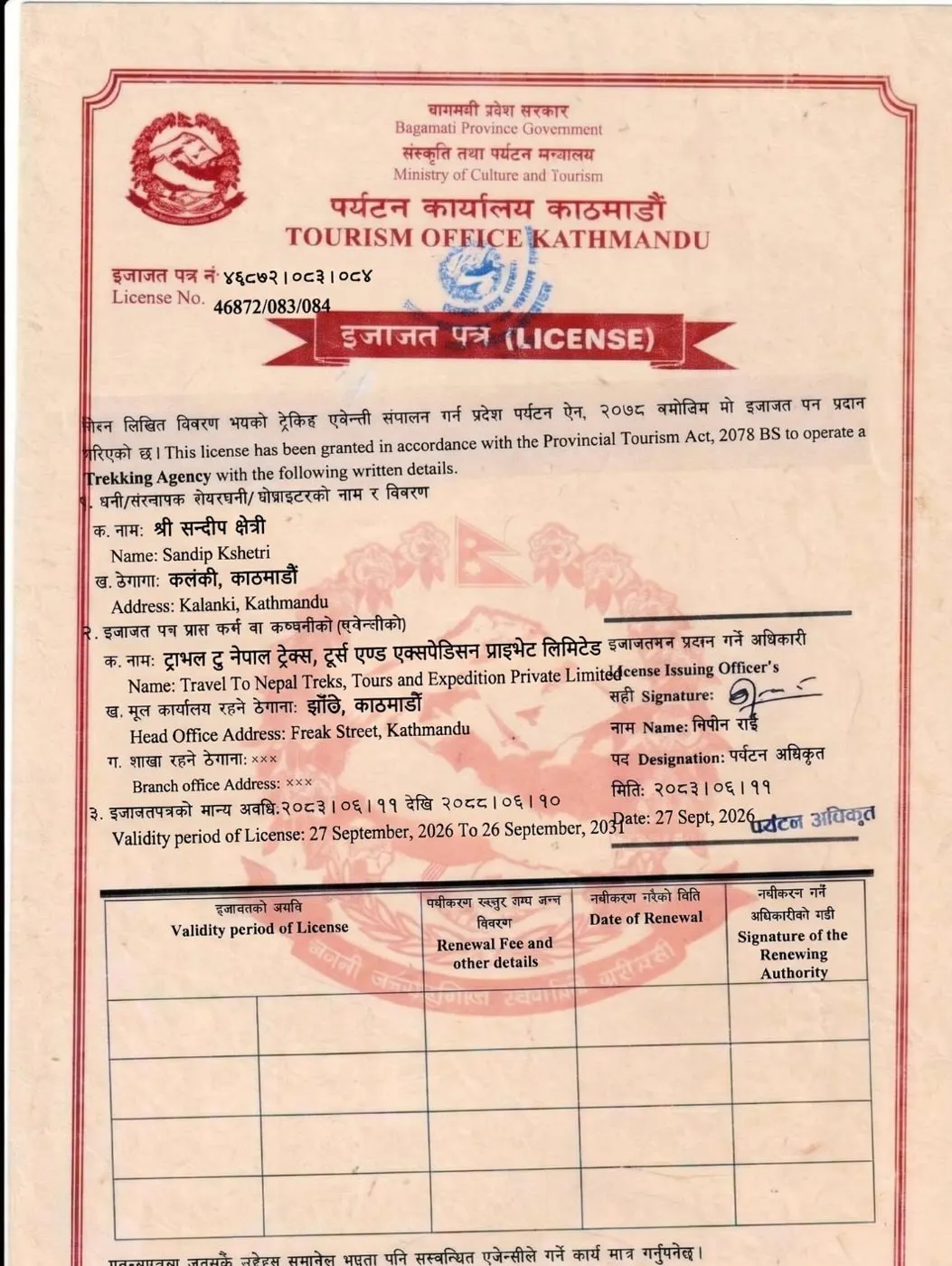
Official verification

Credentials and government licences

Est. 2025 · Kathmandu

Govt. reg.
Tourism Office Kathmandu
Tourism licence
46872/083/084

Nepal Department of Tourism registration certificateRegistration Tourism Office Kathmandu · licensed trekking agency

View full certificate

Fast reply on WhatsApp

Book your Everest Base Camp Trek

Direct local pricing, no middlemen. Fill this in and we open WhatsApp with your request already written.

Trek

Everest Base Camp Trek — 14 days

Send my request by email

Nothing is stored on this website.

Gear and essentials

Everest Base Camp Trek packing list

Tested gear for the Khumbu: −15 °C nights at Gorak Shep to warm, sunny days in the lower valley.

Clothing and layering

  • Base layers: 2–3 merino or synthetic tops and bottoms.

  • Fleece mid-layer: a warm fleece or softshell.

  • Down jacket: rated to about −15 °C for Lobuche and Gorak Shep.

  • Waterproof shell: jacket and trousers for wind and snow.

Footwear and trail care

  • Trekking boots: waterproof, broken in, with ankle support.

  • Camp shoes: light trainers or sandals for the teahouse.

  • Socks: 4–5 pairs of cushioned trekking socks, one warm pair for nights.

  • Microspikes: useful for icy trails early in spring or late in autumn.

Gear and packs

  • Daypack (25–35 L): with a rain cover for layers, water and snacks.

  • Duffel bag: carried by your porter (max 15 kg; Lukla flights limit luggage).

  • Sleeping bag: comfort to −15 °C (you can rent one in Kathmandu).

  • Trekking poles and headlamp: for the descents and the Kala Patthar sunrise.

Health, hygiene and water

  • Water purification: tablets or a UV pen, plus two 1 L bottles.

  • Medical kit: blister plasters, painkillers, rehydration salts and your own medicines.

  • Sun protection: SPF 50 sunscreen, lip balm and category 3–4 sunglasses.

  • Hygiene: wet wipes, hand sanitizer and a quick-dry towel.

Practical field knowledge

Everest Base Camp Trek guide: season, teahouses and altitude

Essential insights from our local trek leaders.

Best season and weather windows

Autumn (October to November): the clearest skies of the year and the most reliable Lukla flights.

Spring (March to May): warmer days, rhododendrons below Namche and the expedition tents at Base Camp.

*Winter (Dec–Feb) is clear but nights at Gorak Shep fall below −20 °C. The monsoon (Jun–Sep) brings cloud and frequent flight cancellations.

Teahouse accommodation and facilities

Rooms: twin rooms with foam mattresses; simpler and colder above Dingboche.

Heating and showers: dining rooms are warmed by a yak-dung stove in the evening; hot showers cost a few dollars.

Wi-Fi and power: paid Wi-Fi cards and charging in most lodges; solar power is weaker higher up.

Food, nutrition and safe water

Dal bhat: rice, lentil soup, vegetables and pickle, with free refills.

Trail menus: garlic soup, Sherpa stew, porridge, noodles, pasta and ginger tea.

Hydration: drink 3–4 litres a day and treat your water; refill stations reduce plastic.

Emergency plan and helicopter evacuation

Rescue: our Kathmandu office coordinates helicopter evacuation with your insurer if it is ever needed.

On the trail: your guide carries a first-aid kit and pulse oximeter; Pheriche has a seasonal altitude clinic.

Insurance: travel insurance covering evacuation up to 6,000 m is required for every trekker.

Frequently asked questions for the Everest Base Camp Trek

General information

What are the highlights of the Everest Base Camp Trek?

Sunrise on Kala Patthar facing Everest, Everest Base Camp beside the Khumbu Icefall, Namche Bazaar, Tengboche Monastery below Ama Dablam, and the Sherpa villages along the way.

What is the highest altitude on the trek?

Kala Patthar at 5,545 m (18,192 ft) on day 10. You sleep at Gorak Shep (5,164 m) the night before, the highest night of the trek.

When is the best time to go?

October and November for the clearest views, then March to May, when expeditions are at Base Camp. Winter is clear but very cold, and the monsoon brings cloud and cancelled flights.

Itinerary and flights

How long does the Everest Base Camp Trek take?

Our itinerary is 14 days from Kathmandu and back, with 11 days on the trail including two acclimatisation days. Add one or two spare days for Lukla flight delays.

Where do Lukla flights leave from?

From Kathmandu, but in the busy spring and autumn seasons most flights leave from Ramechhap (Manthali), 3–4 hours by road from Kathmandu with a very early start. We arrange the transfer.

What if my Lukla flight is delayed?

Flights depend on the weather and delays of a day or more happen. We keep you informed, rebook you on the next flight, and can arrange a helicopter if you need to keep to a schedule.

Trek difficulty and fitness

How difficult is the Everest Base Camp Trek?

Challenging, grade 4 of 5. There is no climbing, but long days above 4,000 m and cold nights need good fitness and patience with the altitude.

How should I train?

Hill walks with a loaded daypack, stair climbing and steady cardio for 8–12 weeks before you go. Long back-to-back walking days are the best training.

Altitude and health

How do you prevent altitude sickness?

Rest days at Namche and Dingboche, a slow pace, oxygen and pulse checks twice a day, plenty of fluids, and descending at once if serious symptoms appear.

What happens in an emergency?

Your guide carries a first-aid kit and pulse oximeter. If needed, our Kathmandu office arranges helicopter evacuation with your insurer.

Fast reply · local operator

Ready for the Himalaya?

Book the EBC Trek with us

Get a personal itinerary, packing advice and a confirmed price for your group, straight from our Kathmandu team.

Send my request by email

Nothing is stored on this website.

Explore more of the Himalaya

Similar trekking options in Nepal

Treks planned with you and led by local guides.

  • Ama Dablam, Gokyo Lakes TrekEverest Region

    12 days · Challenging

    Gokyo Lakes Trek

    Turquoise glacial lakes and the view of four 8,000 m peaks from Gokyo Ri, away from the busiest trail.

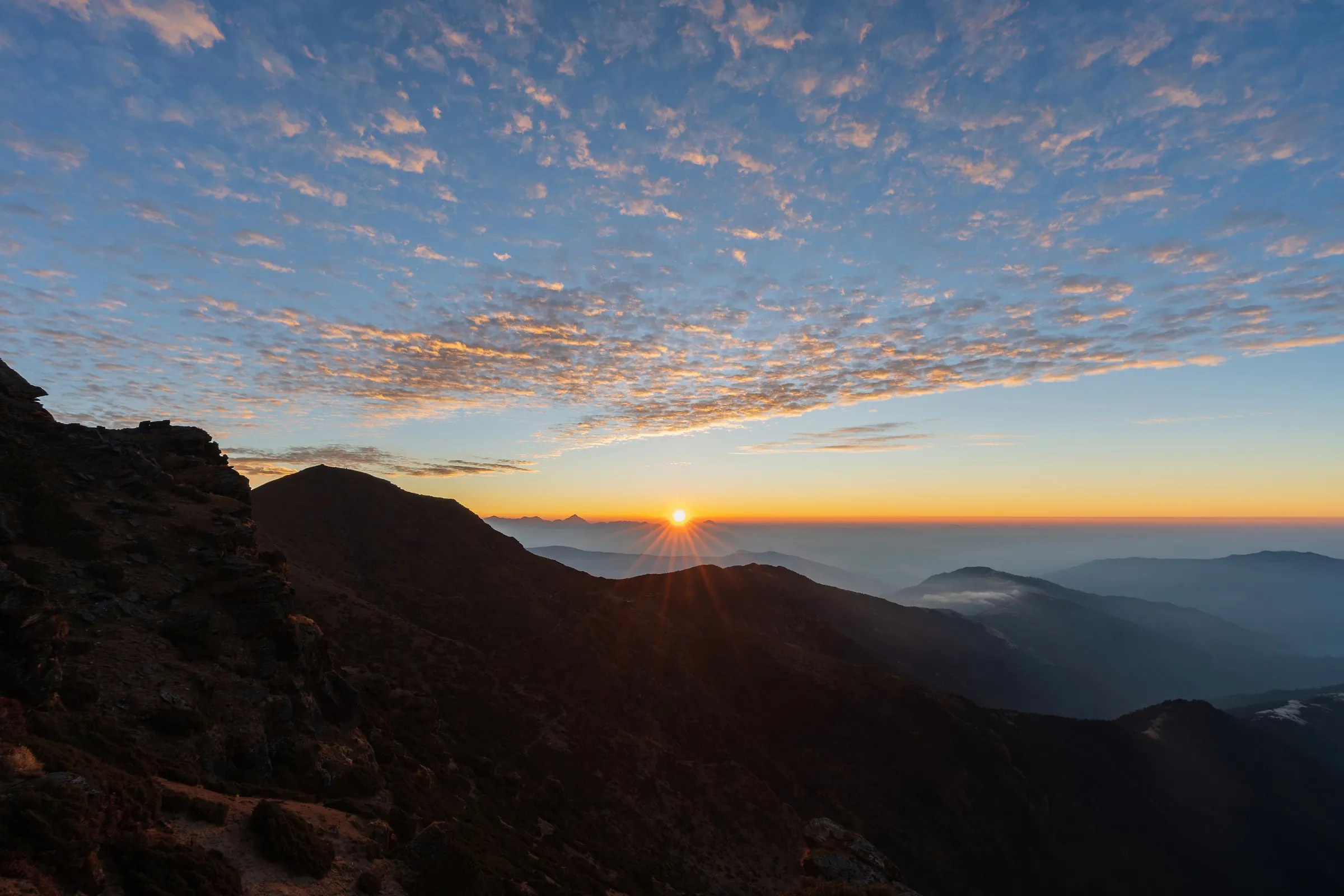
  • Sunrise from Pikey Peak, Pikey Peak TrekEverest Region

    7 days · Easy

    Pikey Peak Trek

    A short trek through Sherpa villages to a sunrise view from Everest to Kanchenjunga, with no Lukla flight.

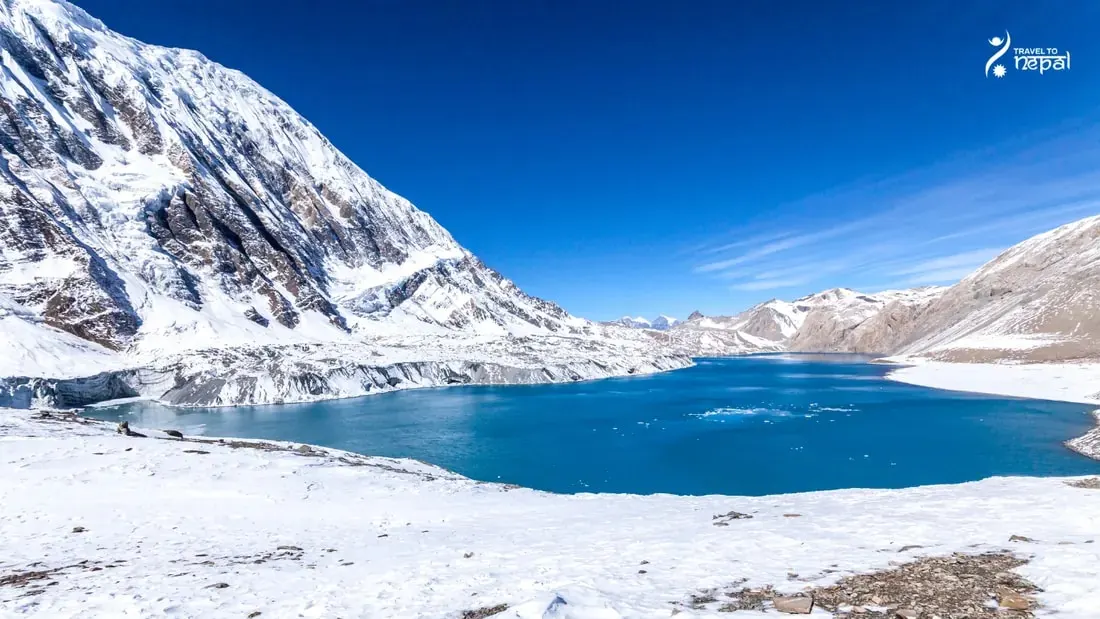
  • Tilicho Lake, Annapurna Circuit TrekAnnapurna Region → Mustang Region

    13 days · Challenging

    Annapurna Circuit Trek

    The classic loop over Thorong La (5,416 m), from green Marsyangdi valleys to the dry hills of Mustang.

  • Manaslu, Manaslu Circuit TrekManaslu Region

    13 days · Challenging

    Manaslu Circuit Trek

    A wild circuit around Manaslu, the world's eighth-highest mountain, over the Larkya La (5,106 m) with far fewer trekkers.

Sign up for our newsletter

Seasonal trail updates, packing guides and new treks, about once a month.

We send a confirmation email first. Unsubscribe any time.

From$1,000